


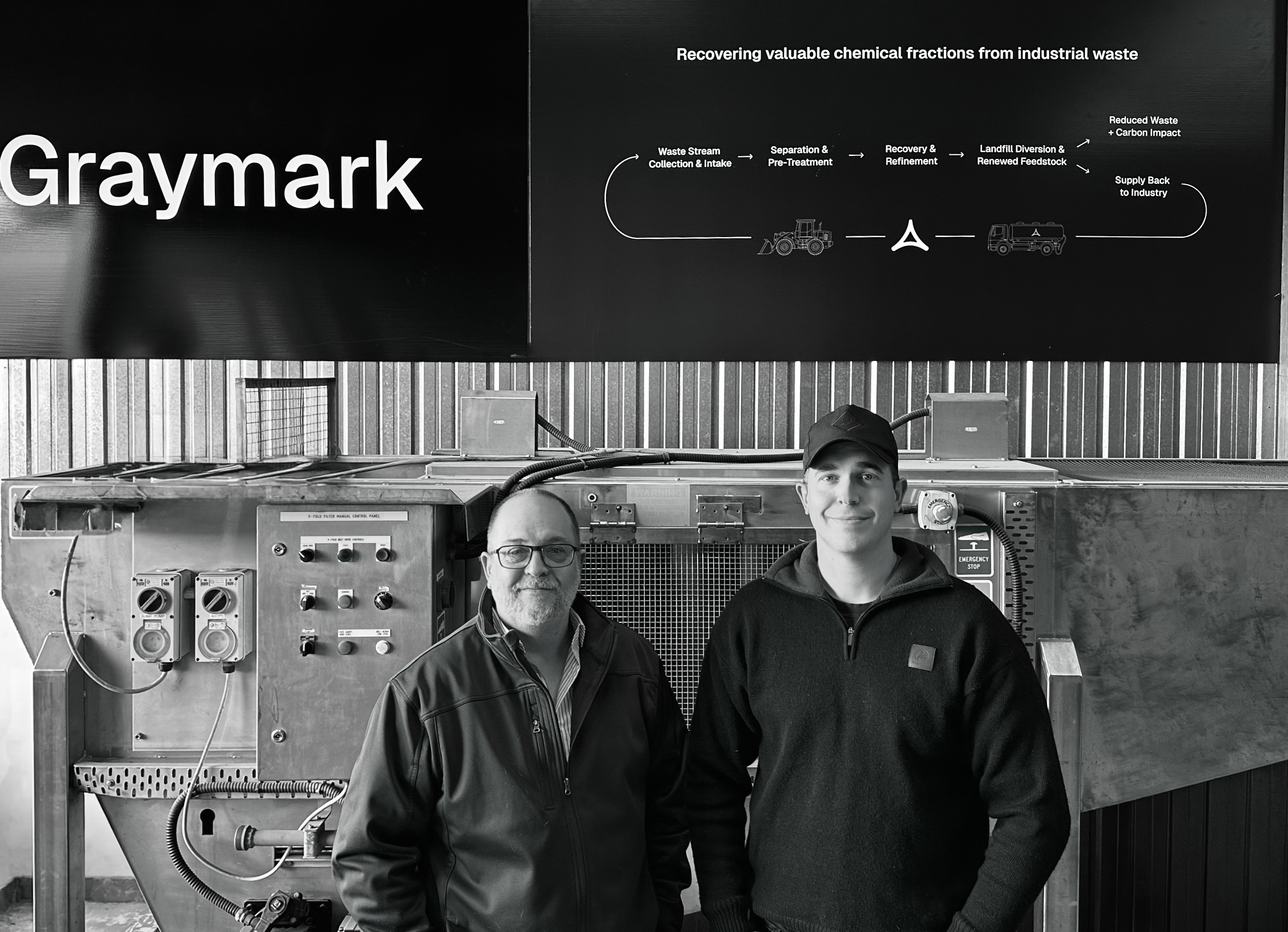


The industry moves contamination.
We remove it.
Regen separates the contaminant from the material, onshore, and returns the clean fraction to use. Every job ends with an independent lab report.

One system. Fitted to the stream.
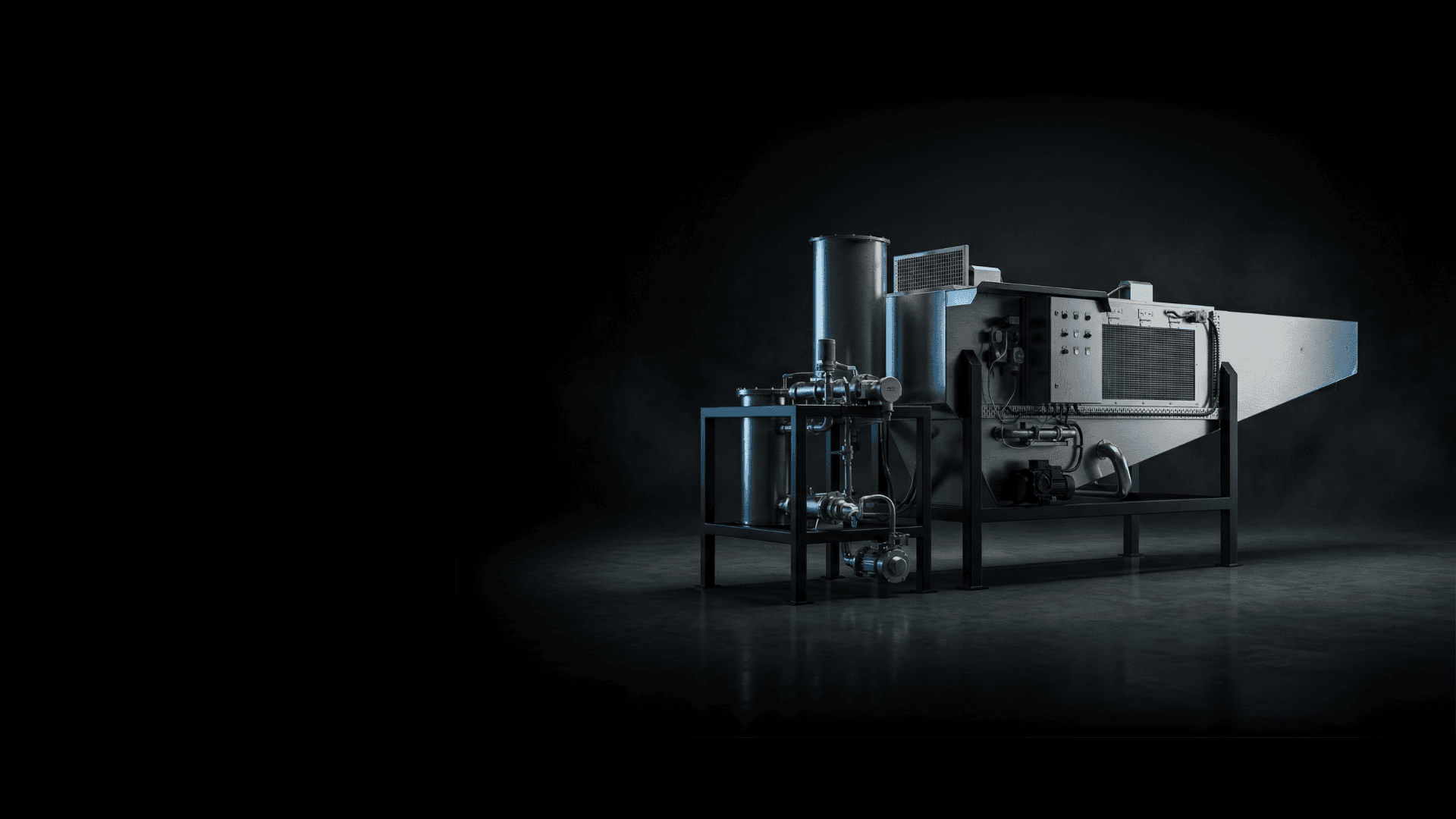
Graymark Regen is one containerised separation system for heavy metals, POPs including PFAS, hydrocarbons and mixed streams. The chemistry is tuned to each stream. The unit stays the same, and it runs at our Nelson facility or on your site.
Contaminated fractions
eg. Contaminated soil, sediment and spent blast media from HAIL sites, substations, sheep dips and slipways.
Process residues
eg. Sludges, filter cake, drip-pad washings and tank bottoms from timber treatment, galvanising and plating.
Mixed streams
eg. Landfill leachate, process washwaters, glycols, oily sludges and expired chemical stock.
Forever chemicals
eg. PFAS in firefighting-foam residues, impacted soil and water, spent carbon and resin.
On-site or
Off-site
Deployable separation core. Tuned to the stream, not rebuilt for it.
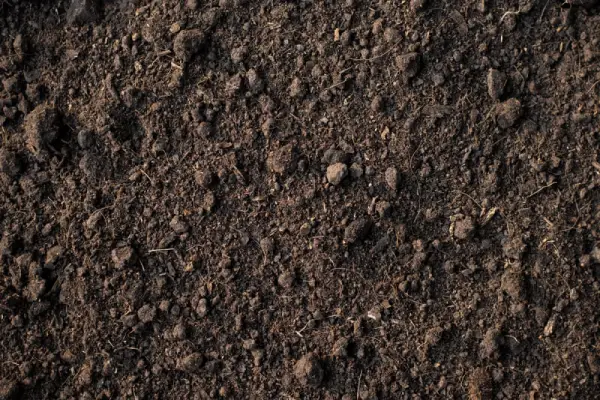
Clean material
Tested by an independent laboratory and returned to use.
eg. Class 5 fill, cleaned timber fibre.
Recovered chemistry
Useful fractions go back to the industries that run on them.
eg. Treatment chemicals, returned to the industries that use them.
A small, defined concentrate
Only the contaminant leaves, not the tonnes it arrived in.
eg. A small volume holding the target contaminant, sent to a licensed pathway.
Why not landfill, stabilise or export?
Each of them moves the contaminant. None of them removes it.
Landfill
The contaminant
Buried. Still there.
The material
Lost to landfill.
Stays in New Zealand
Yes.
Stabilise
The contaminant
Bound in place. Still there.
The material
Lost to landfill.
Stays in New Zealand
Yes.
Export
The contaminant
Destroyed offshore.
The material
Shipped with it.
Stays in New Zealand
No.
Regen
The contaminant
Separated out and concentrated.
The material
Cleaned and returned.
Stays in New Zealand
Yes.
The job ends. So does the liability.
Liability ends here.
The contaminant comes out and an independent lab report proves it. Nothing is left in the ground for the next owner.

On your site or ours.
Regen is containerised. It runs at our Nelson facility or travels to yours, so contaminated material does not have to.
A price within a week.
Send the analysis if you have it, the problem if you don’t. You get a pathway and a quote within a week of a sample.
Recover the resource.
Most of what the industry buries still has value in it. Graymark exists to take the contaminant out and put the rest back to work.


The chemistry decides the treatment. The stream is just how it arrives.
Four classes
Heavy metals
Arsenic, copper, chromium, lead and boron. Our core work, from treated-timber residues to plating and galvanising wastes.
POPs
PFAS, organochlorine pesticides such as DDT, dieldrin and lindane, and PCBs. The wider Stockholm Convention family.
Hydrocarbons
In pilot
Total petroleum hydrocarbons (TPH), PAHs, coal tar, oily sludges and fuel-impacted soil.
Mixed streams
Sludges, leachates, wash-waters, spent media and glycols, plus diluted or expired chemical stock.
Ten streams

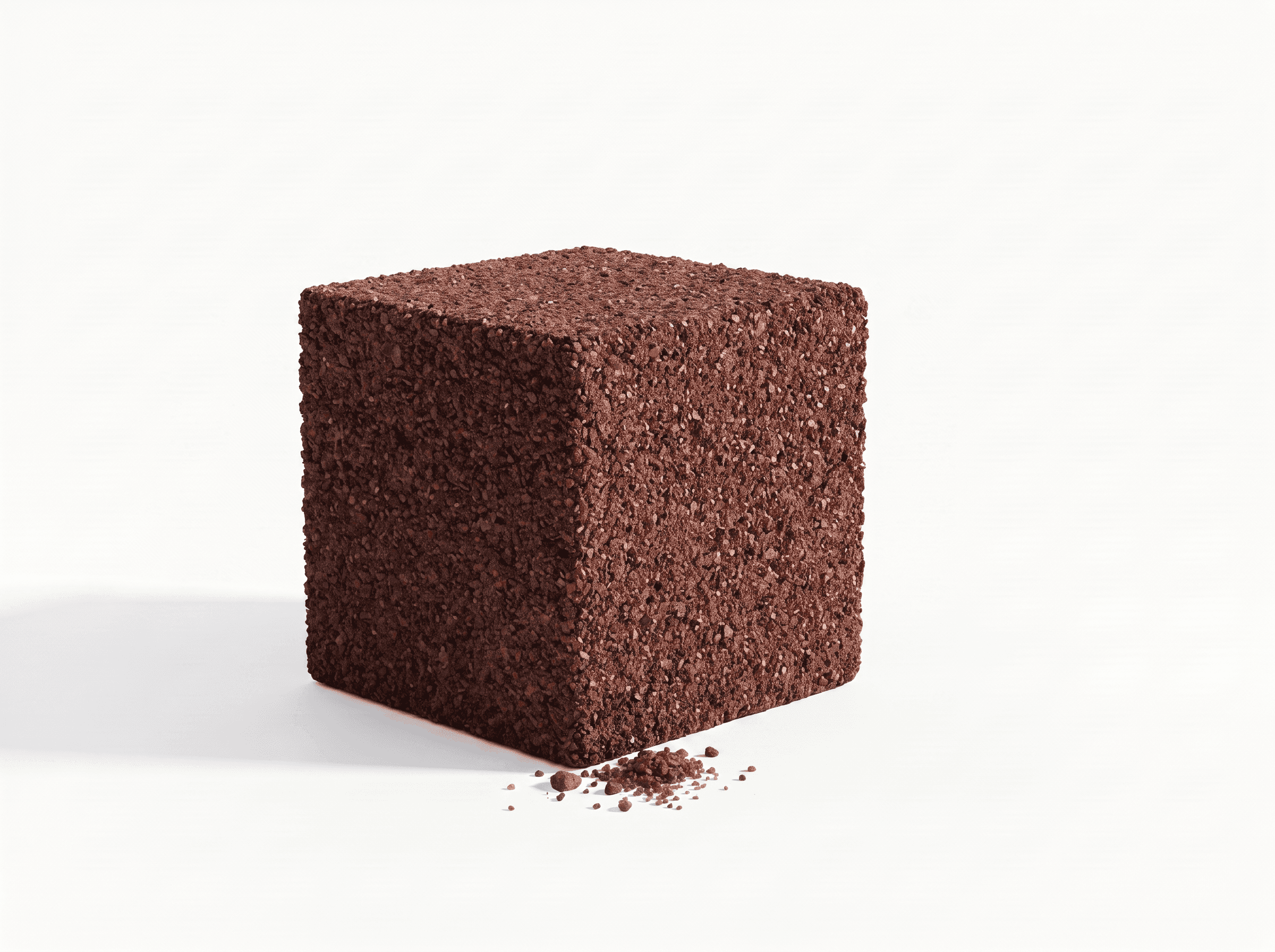
Contaminated soils

Treated timber
In pilot

Treatment residuals

Hydrocarbons

Oils

PFAS

Liquids + washwaters + leachates
Media + residues

Chemical stock + tanks + IBCs

Waters + extractive residues
View more streams
↓
If your stream isn’t here, that’s a conversation, not a no.
Removes more. Costs less. Proves it.
Removed, not moved.
Landfill, stabilisation and export all leave the contaminant somewhere. Regen takes it out, onshore, and an independent lab report proves it.
Cheaper to fix than to leave.
Separation costs less than conventional disposal, so the problem gets solved instead of sitting on the books for another year.
Down to non-detect.
On many streams the target goes below the laboratory’s detection limit. On the rest, more than 90% of it is removed.
Built for whoever is left holding it.
Operators and generators
Standing recovery for the streams you produce every month.
Landowners and developers
End the liability on your land instead of covering it over.
Consultants and specifiers
An onshore pathway to write into the options table.
Councils, regulators and Crown
Verified outcomes that remove liabilities rather than relocate them.
Waste and environmental services
The treatment step you can’t do in-house, kept onshore.
Chemical suppliers
Recovery for tank decommissions, returns and end-of-life stock.

Solve the solution on-site.
Deployable anywhere.

100%
Kiwi-Owned
Graymark is a family company. Three generations in hazardous waste. Regen is what that experience built next. Based in Nelson. Deployed anywhere in New Zealand.
Aether
Organic residues to renewable fuels. Bench trials in Nelson.