




Contaminated soils
Metals, pesticides, PCBs, hydrocarbons and PFAS in soil from HAIL sites, former treatment yards, substations, sheep dips, gasworks and redevelopment land.
Most contaminated soil in New Zealand sits on land listed under the Hazardous Activities and Industries List (HAIL). It surfaces when a Detailed Site Investigation under the NES for Contaminated Soil (NES-CS) finds metals, organochlorine pesticides, PCBs, hydrocarbons or PFAS above the criteria for the next land use. The sources are familiar. Timber treatment yards. Sheep dips. Gasworks. Substations. Fuel depots. The soil has usually been there for decades, and it is usually in the way of something.
Land listed under the Hazardous Activities and Industries List (HAIL)
Former timber treatment yards and sawmill sites
Substations, depots and lines company land
Sheep dips, gasworks and redevelopment land
Dig and dump to a Class 1 landfill under the waste disposal levy, or stabilise and leave in place. Both pathways move or bind the contaminant. Neither removes it. Dig and dump pays to truck every tonne of soil to a landfill cell and pays the levy on all of it. Stabilisation blends the soil with binder, passes acceptance criteria, and leaves the site with a management plan and a monitoring schedule attached to the title.
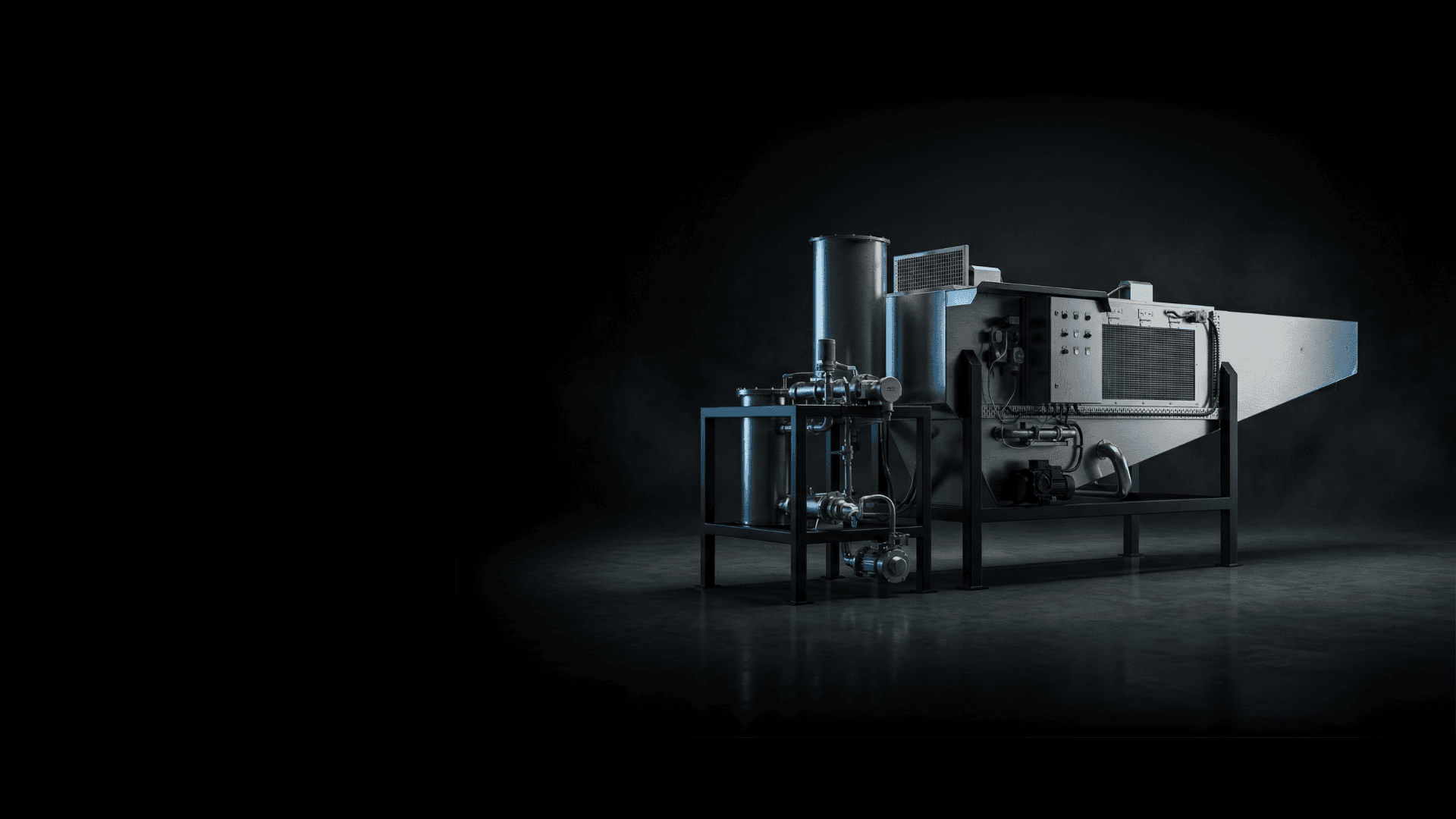
The contaminant is separated from the soil. The soil is tested against your site criteria and returned or reused. Regen runs at our Nelson facility or deploys to the site, so the soil is treated where it sits instead of moving across the country as hazardous load. The job ends with an independent laboratory report on the clean fraction, written for the Remediation Action Plan and the file that follows it.