


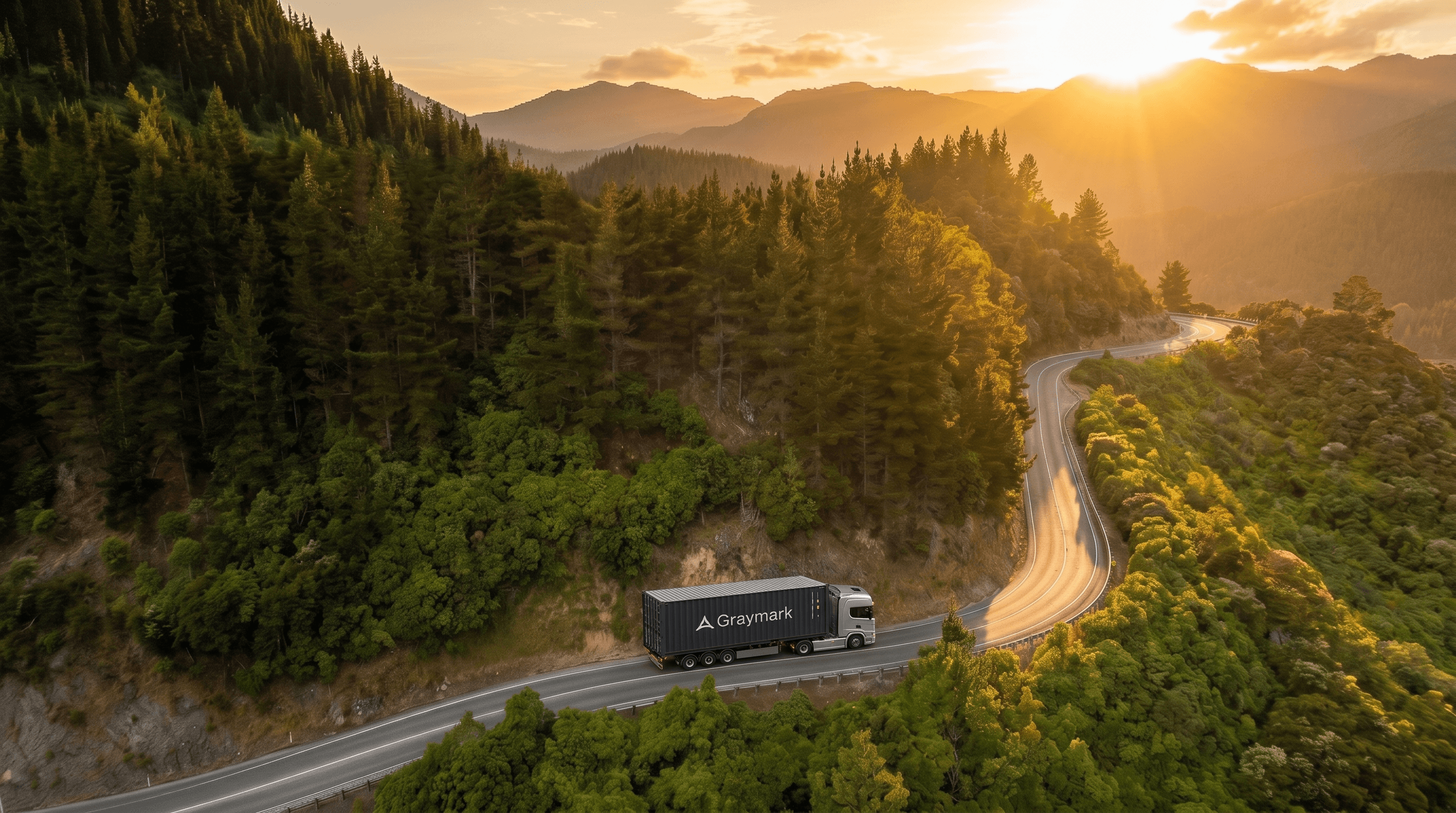
Sustainability, built into the work.
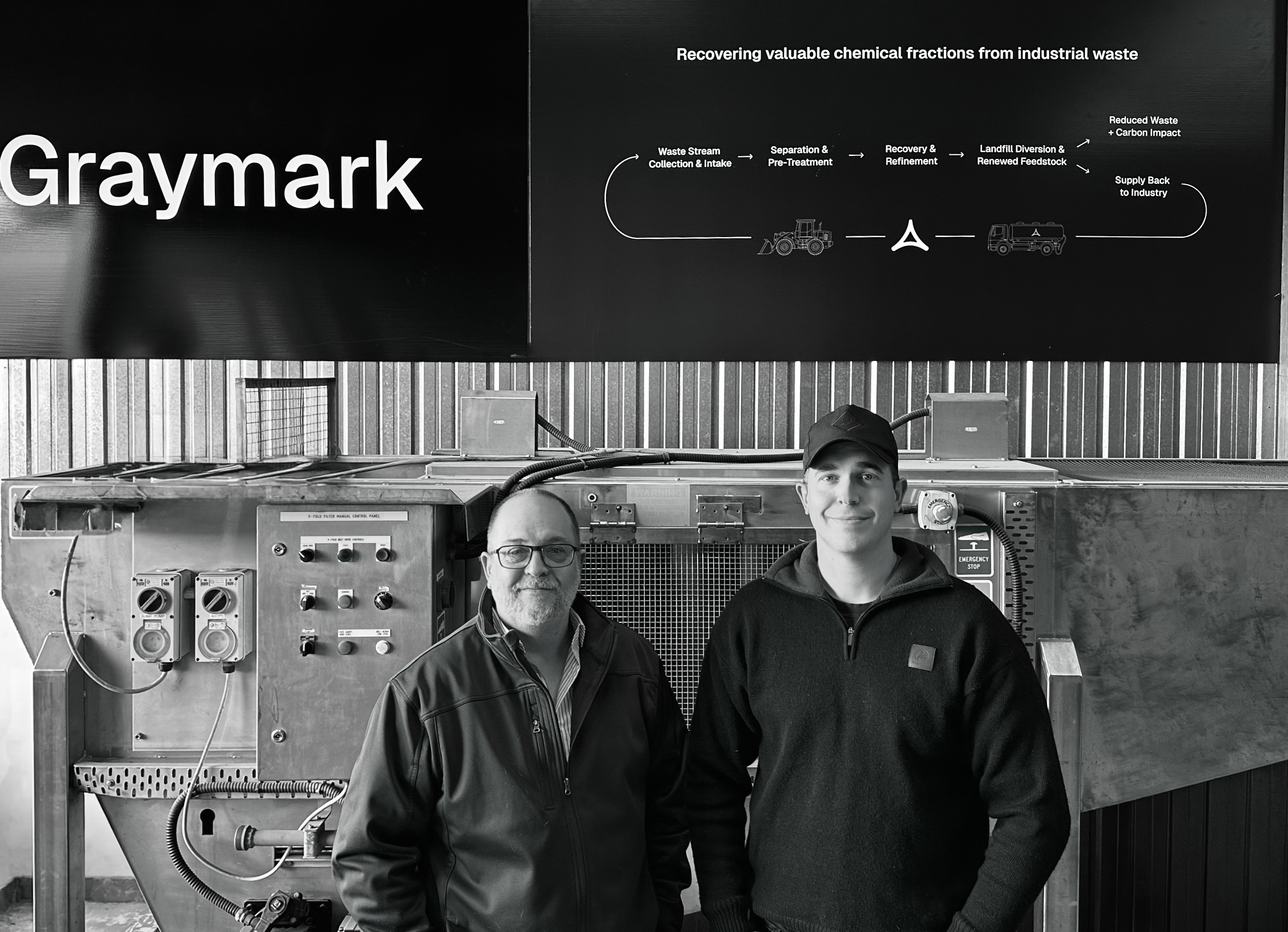
Sustainability at Graymark is not a report we write once a year. It is what the work does: contamination removed instead of moved, material returned to use, and a record that proves it.
Resource recovery is the rare case where the economics and the emissions maths agree.
Every tonne of industrial waste shipped offshore or sent to landfill is a failure of infrastructure, not an inevitability of industry. Graymark exists to build that infrastructure, here.
What changes when waste is recovered, not moved.
Removed, not relocated.
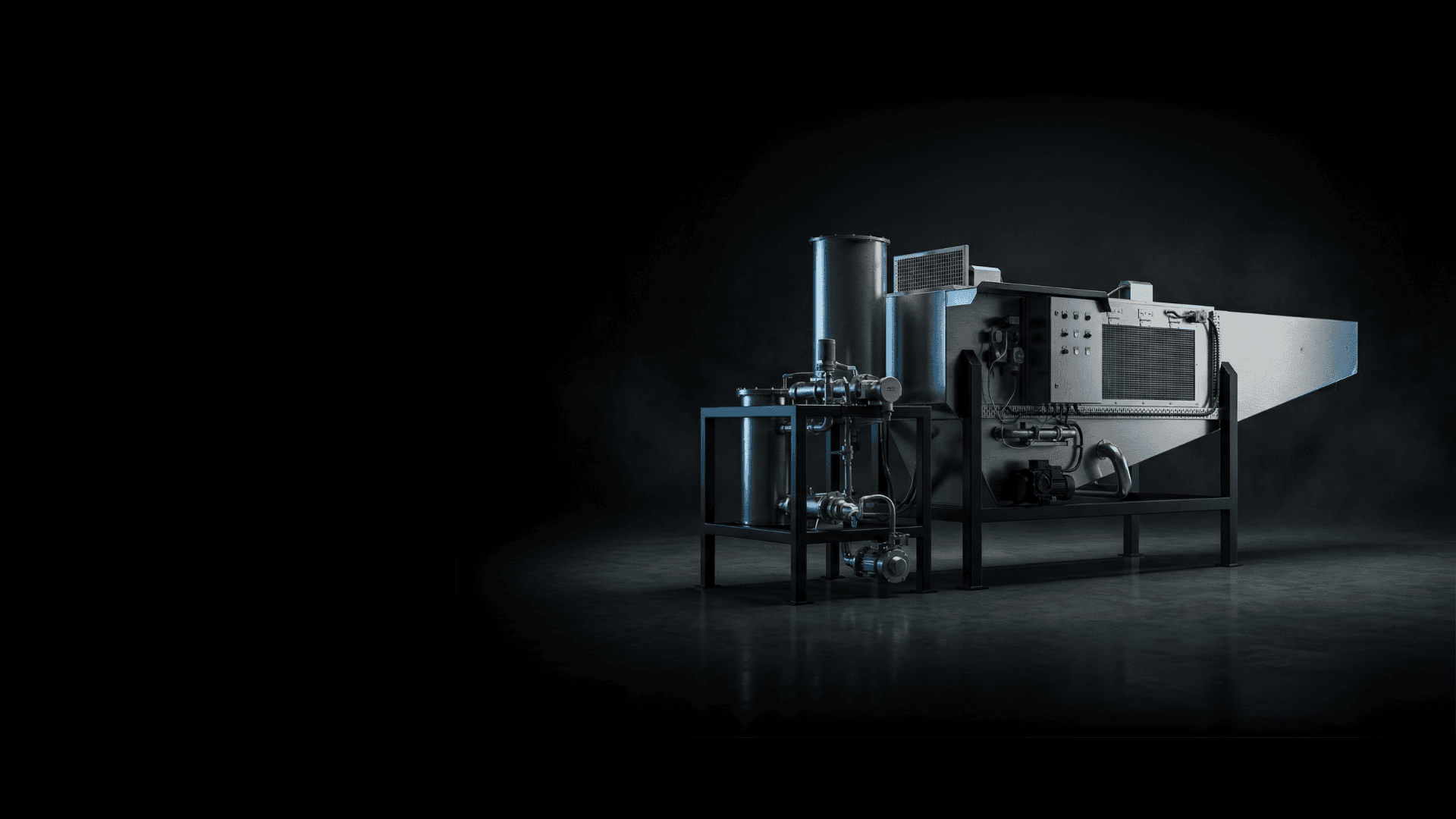
Landfill, stabilisation and export all leave the contaminant somewhere. Regen takes it out, so nothing is left in the ground for the next owner.
Back into use.
Clean fractions go back to the industries that run on them. What was a disposal cost becomes feedstock again.
Fewer kilometres.
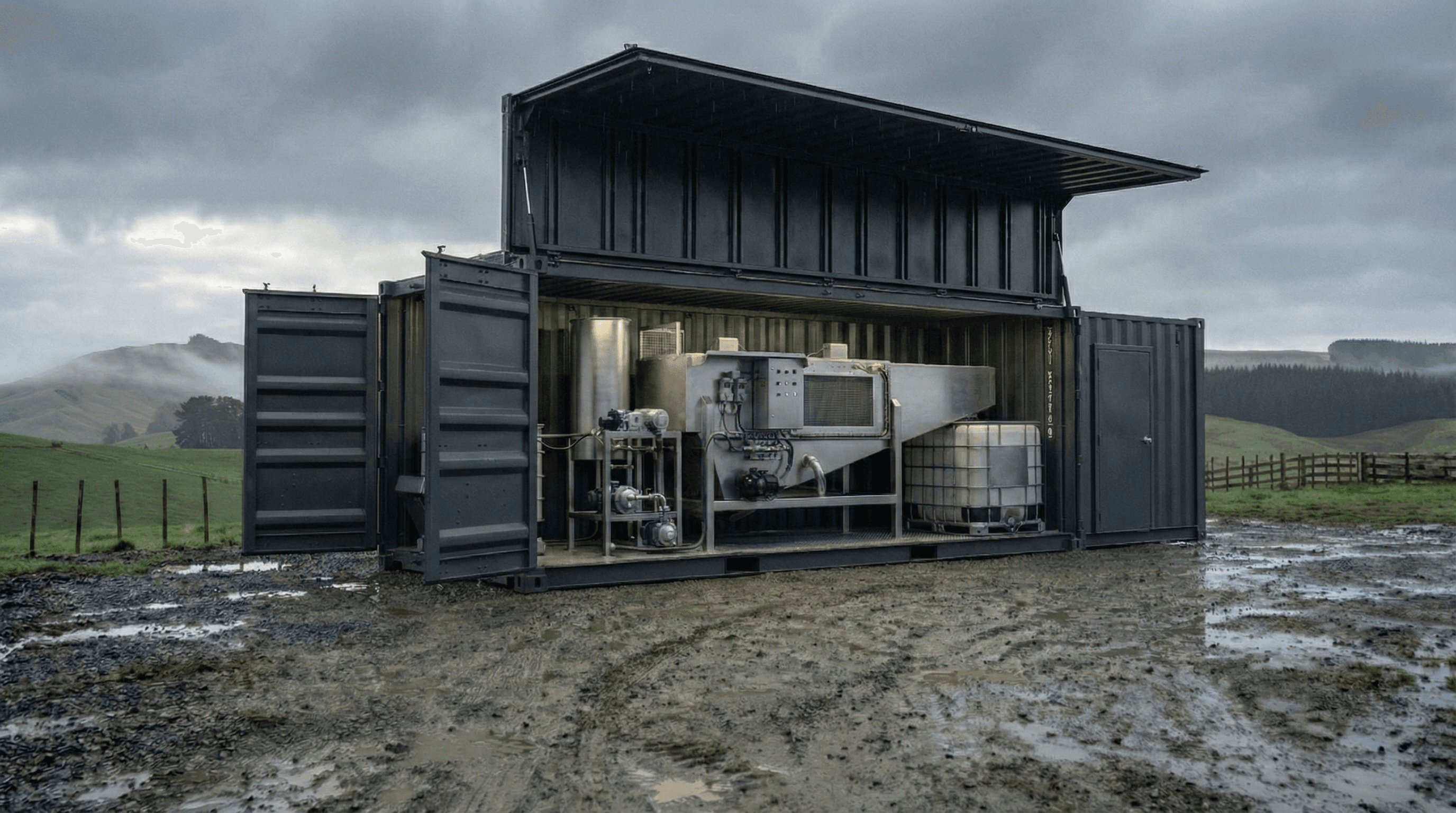
Regen goes to the waste, not the other way around. Treating at the point of generation cuts the trucking of hazardous loads across the country.
Kept onshore.
No export queue and no liability shipped offshore. New Zealand’s waste is dealt with in New Zealand.
Evidence you can report against.
Customers are increasingly asked to show where their waste went and what happened to it. Every Graymark job leaves a record that stands up.
An independent lab report.
Every job closes with independent laboratory verification of the clean fraction. The report is yours to keep and to cite.
A chain of custody.
Warden logs every container from the gate to dispatch on an append-only record. Nothing is edited after the fact.
A defined concentrate.
What cannot be reused leaves as a small, defined concentrate, documented and tracked, instead of the full tonnage it arrived in.