Liquids + washwaters + leachates

Liquids + washwaters + leachates

Dairy, meat and wood processing washwaters, landfill leachate, glycols, process liquids.

Where it comes from.

Where it comes from.

Primary industry runs on water and sends most of it back dirty. Dairy, meat and wood processors produce washwaters with metals, organics and treatment chemistry in them. Landfills produce leachate for decades after they close. Cooling systems and fleets produce spent glycol. Process plants produce liquids that fall outside their trade waste consent. Most of these streams are mostly water.

Dairy, meat and wood processors

Landfill operators holding leachate

Fleet, transport and cooling system operators with spent glycol

Chemical and manufacturing plants with process liquids

What usually happens to it.

What usually happens to it.

Trade waste with limits, tankered disposal, or on-site ponds. Where the stream fits a trade waste consent it goes down the drain with a charge attached. Where it doesn’t, it is tankered to a disposal facility by the litre, or held in ponds that grow with the plant. The contaminant load stays in the water through all three.

What Graymark does with it.

What Graymark does with it.

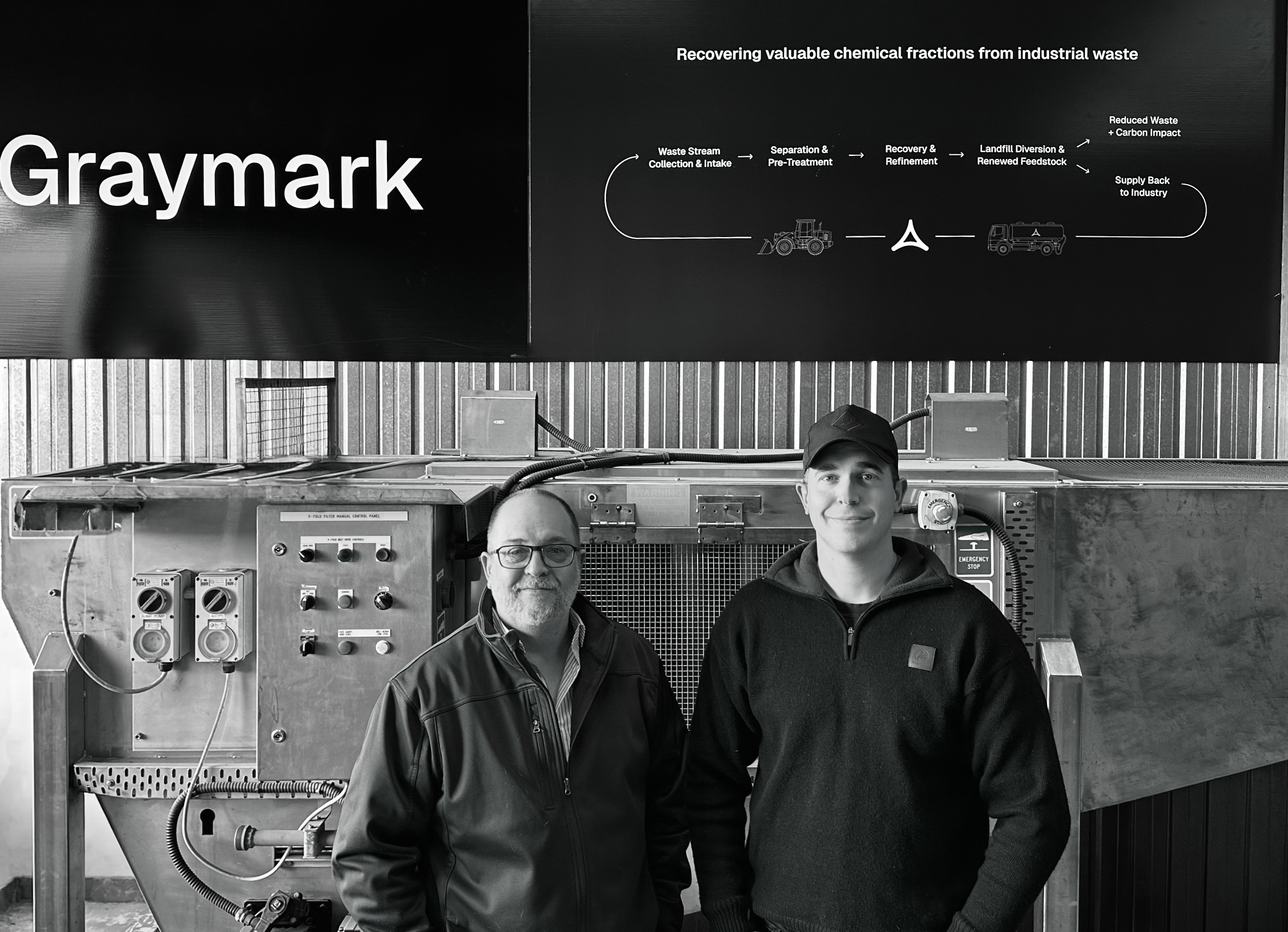
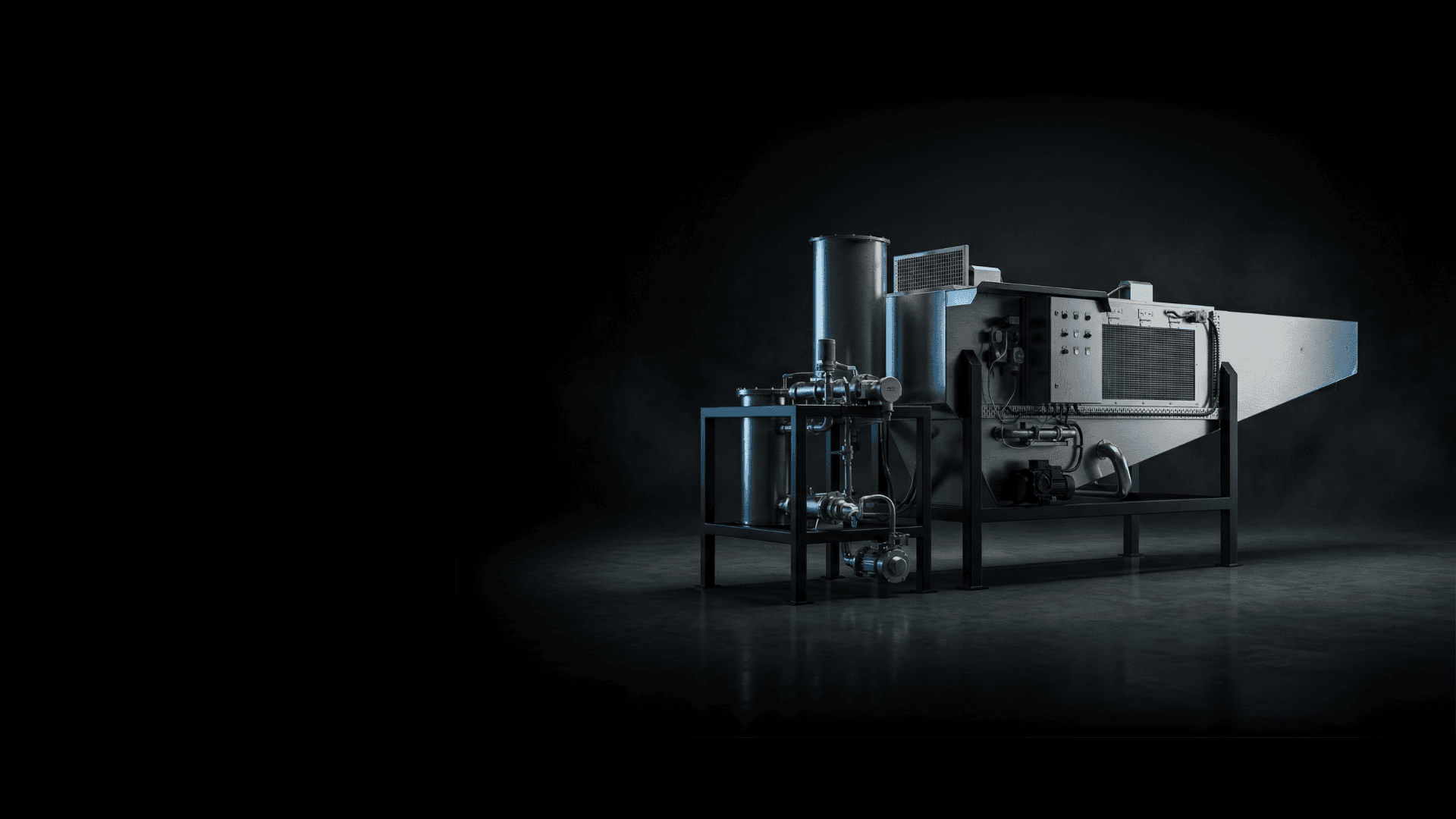
The contaminant load comes out. The water goes back. Regen takes liquids by the IBC or by the tanker, at our Nelson facility or on your site. The water is verified against your discharge or reuse criteria by an independent laboratory. The contaminant leaves as a small, defined concentrate, and recovered chemistry such as glycol goes back to use where it meets specification.

Questions.

Questions.

Yes. Landfill leachate is standard work, including leachate carrying PFAS, which is separated and concentrated. Send a sample and the volume and we quote within a week.

Where it meets your reuse or discharge criteria, yes. The water is tested by an independent laboratory before it goes back, and the results are on file.

Recovered where it has value. Glycol recovery is in operation. Where recovery is not possible, the contaminant load leaves as concentrate and the water goes back.

Stop paying to bury it.

Send the analysis if you have it. Send the problem if you don’t. We come back with a pathway and a price within a week of a sample.

Stop paying to bury it.

Send the analysis if you have it. Send the problem if you don’t. We come back with a pathway and a price within a week of a sample.

Stop paying to bury it.

Send the analysis if you have it. Send the problem if you don’t. We come back with a pathway and a price within a week of a sample.

Engineering the next generation of hazardous waste management.

Engineering the next generation of hazardous waste management.

Engineering the next generation of hazardous waste management.

Contact

Nelson, New Zealand

© 1997–2026 Graymark Technologies Ltd