



·
Answer
Old chemical drums and IBCs: disposal options in New Zealand
What the rules say about old chemical drums, IBCs and unwanted chemical stock, the options available, and onshore treatment instead of export.
Short answer. Clean, triple-rinsed drums and IBCs can usually be recycled or reconditioned. Anything that still holds product, residue or sludge is hazardous substance waste. Under the EPA’s Hazardous Substances (Disposal) Notice 2017 it has to be treated so it is no longer hazardous, or exported under an EPA permit. Landfill is not a treatment option for most classes. Graymark, based in Nelson, treats residues and unwanted chemical stock onshore with containerised separation equipment, and closes each job with independent laboratory verification.
What the rules say
Hazardous Substances (Disposal) Notice 2017 (EPA, under HSNO). Applies to anyone disposing of a hazardous substance or packaging that has held one. Disposal means treating the substance so its characteristics or composition change and it is no longer hazardous, or exporting it as waste. For classes 1 to 5, depositing in landfill or a sewage facility does not count as treatment (clauses 5, 7 and 8). For ecotoxic class 9 substances, landfill only counts if it actually makes the substance non-hazardous, and dilution before discharge never counts (clause 10).
Packages (clause 12). An empty drum or IBC must be rendered incapable of holding any substance before disposal, unless it has been treated to remove residual contents (classes 1 to 5) or residues are below the classification threshold (classes 6, 8 and 9). Only then can it be reused or recycled.
Export. Shipping hazardous waste offshore needs an EPA permit under the Imports and Exports (Restrictions) Prohibition Order (No 2) 2004, in line with the Basel and Waigani conventions.
Cost pressure. The waste disposal levy at Class 1 landfills rose to $70 a tonne on 1 July 2026 and goes to $75 on 1 July 2027 (MfE), on top of gate fees.
Your options
Rinse and recycle. Empty agrichemical drums and IBCs (61 to 1,000 litres) that are triple-rinsed, dry and residue-free can go through the Agrecovery drum and IBC programme. Participating brands are free; others are user-pays. Containers with residue are not accepted.
Return to supplier. Some chemical suppliers take back their own containers and in-date product. Check your supply agreement.
Collection by a hazardous waste contractor. Contractors collect, consolidate and send material to treatment, landfill where permitted, or export.
Export. Used for some streams with no onshore pathway. Slow, permit-dependent, and the liability travels with it until destruction overseas is confirmed.
Onshore separation and recovery. Treat the residues and stock in New Zealand: separate the hazardous fraction, concentrate it, recover what can be reused, and verify the rest is clean.
Where Graymark fits
Graymark takes chemical stock, tank residues, drums and IBCs as standard work. This includes:
Drums and IBCs with residue, sludge or crystallised product that can’t be rinsed clean
Unlabelled or legacy chemical stock from sheds, yards and site closures
Tank bottoms and residues from chemical and fuel tank decommissions
Mixed loads: heavy metals, organochlorines and other POPs, glycols, solvents and process liquids
How it works:
Characterise. Sample and identify what is actually in the containers.
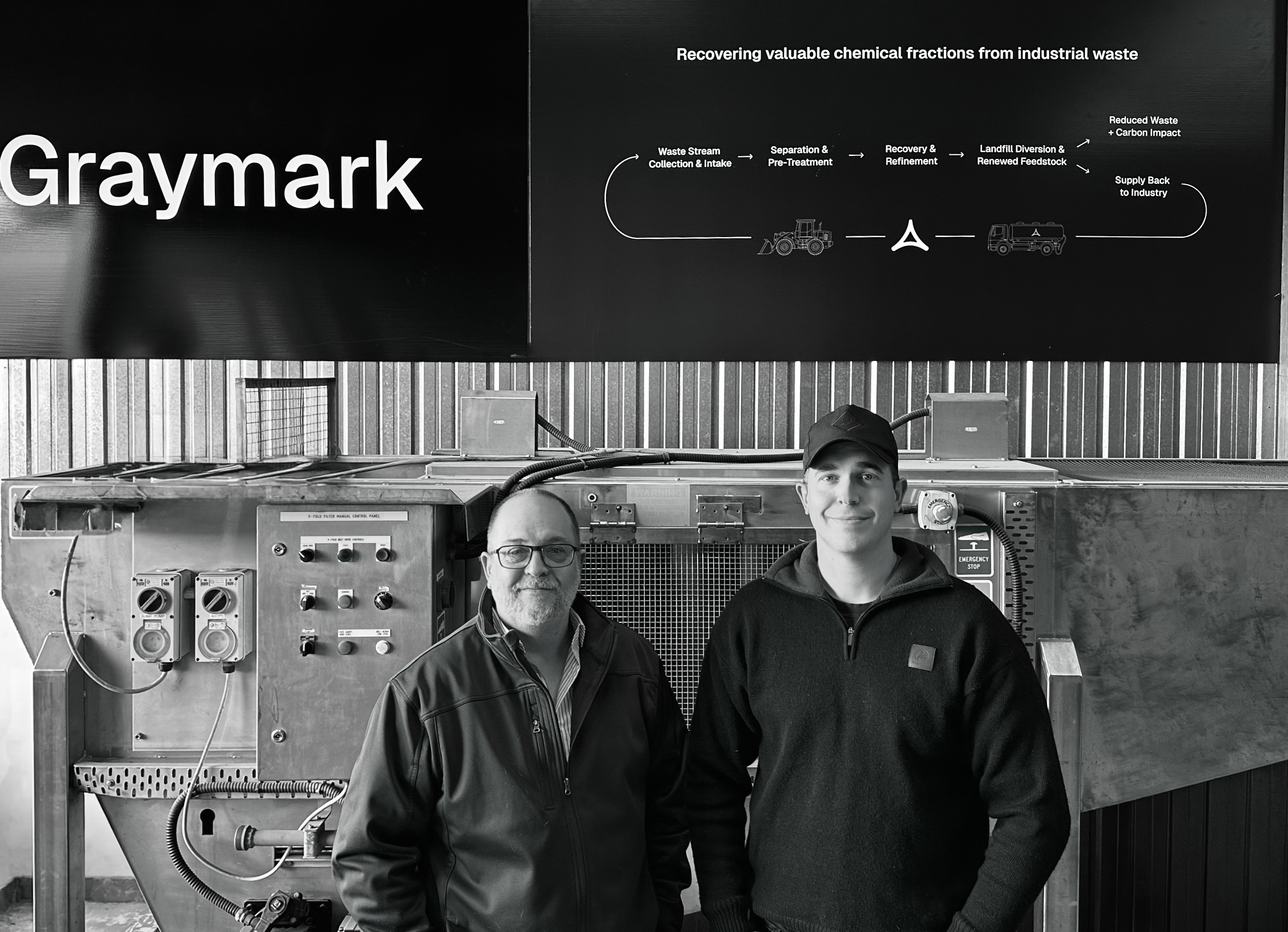
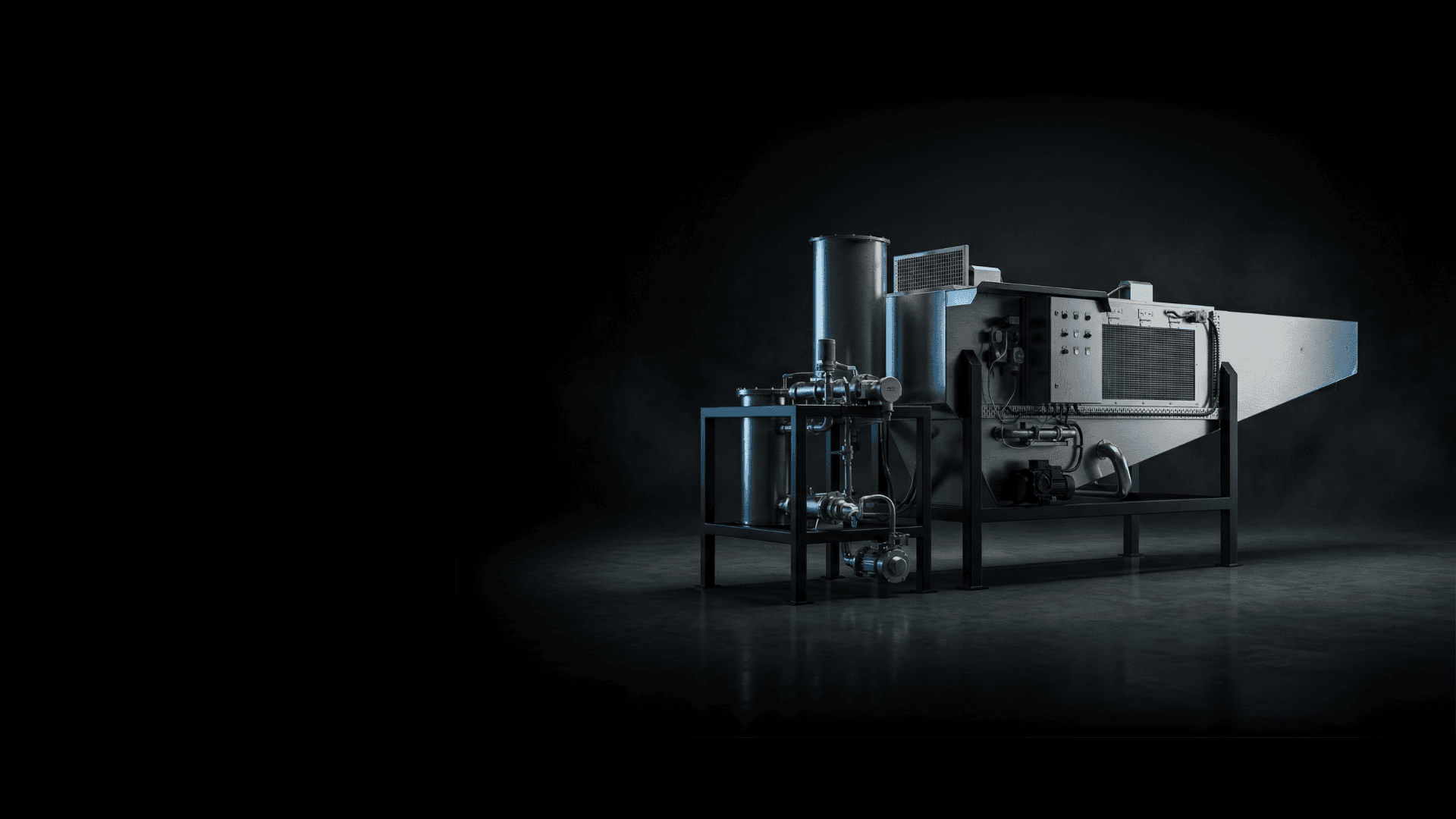
Separate. Regen, Graymark’s containerised recovery system, separates and concentrates contaminants. It can be deployed to your site so material doesn’t need to travel.
Recover. Reusable fractions go back into use where possible. Containers are decontaminated so they can be recycled under clause 12.
Verify. Every job closes with independent laboratory verification, so you have documented proof the liability has been removed, not just moved.
The point is simple. Most of the industry relocates contamination. Graymark removes it onshore and gives you the paperwork to prove it.
Talk to us: send photos, labels or SDSs and an approximate count to contact@graymark.tech. If your stream isn’t listed, that’s a conversation, not a no.
More questions
Can I put empty chemical drums in a skip? Not if they held a hazardous substance and still have residue. Under clause 12 of the Disposal Notice the drum must be rendered unable to hold anything, or treated to remove the residue first.
Are triple-rinsed drums still hazardous waste? If rinsing removes the residue, or leaves it below the classification threshold for classes 6, 8 and 9, the drum can be reused or recycled. The rinsate itself is hazardous and must be managed properly.
Can Graymark treat it on our site? Yes. Regen is containerised and deploys to site, which suits yard clean-ups, tank decommissions and site closures.