



Oils
PCB-contaminated oils, drained transformers, capacitors, switchgear and contaminated substation soil.
PCBs were used in transformer oils, capacitors and switchgear for decades. They are a Stockholm Convention persistent organic pollutant, controlled in New Zealand under HSNO. They turn up in drained transformers, in the oil itself, and in the soil under substations where equipment leaked. Lines companies, transmission operators and industrial sites with legacy plant hold most of it.
Lines companies and transmission operators
Substations and switchyards
Industrial sites with legacy transformers and capacitors
Electrical contractors and decommissioning projects
Export for destruction under Basel and Stockholm permits, with the soil landfilled. The equipment and oil are packed, permitted under the Basel Convention and shipped offshore. The contaminated substation soil, which is most of the mass, goes to a Class 1 landfill under the waste disposal levy. The permit process is slow and the custody risk travels with the shipment.
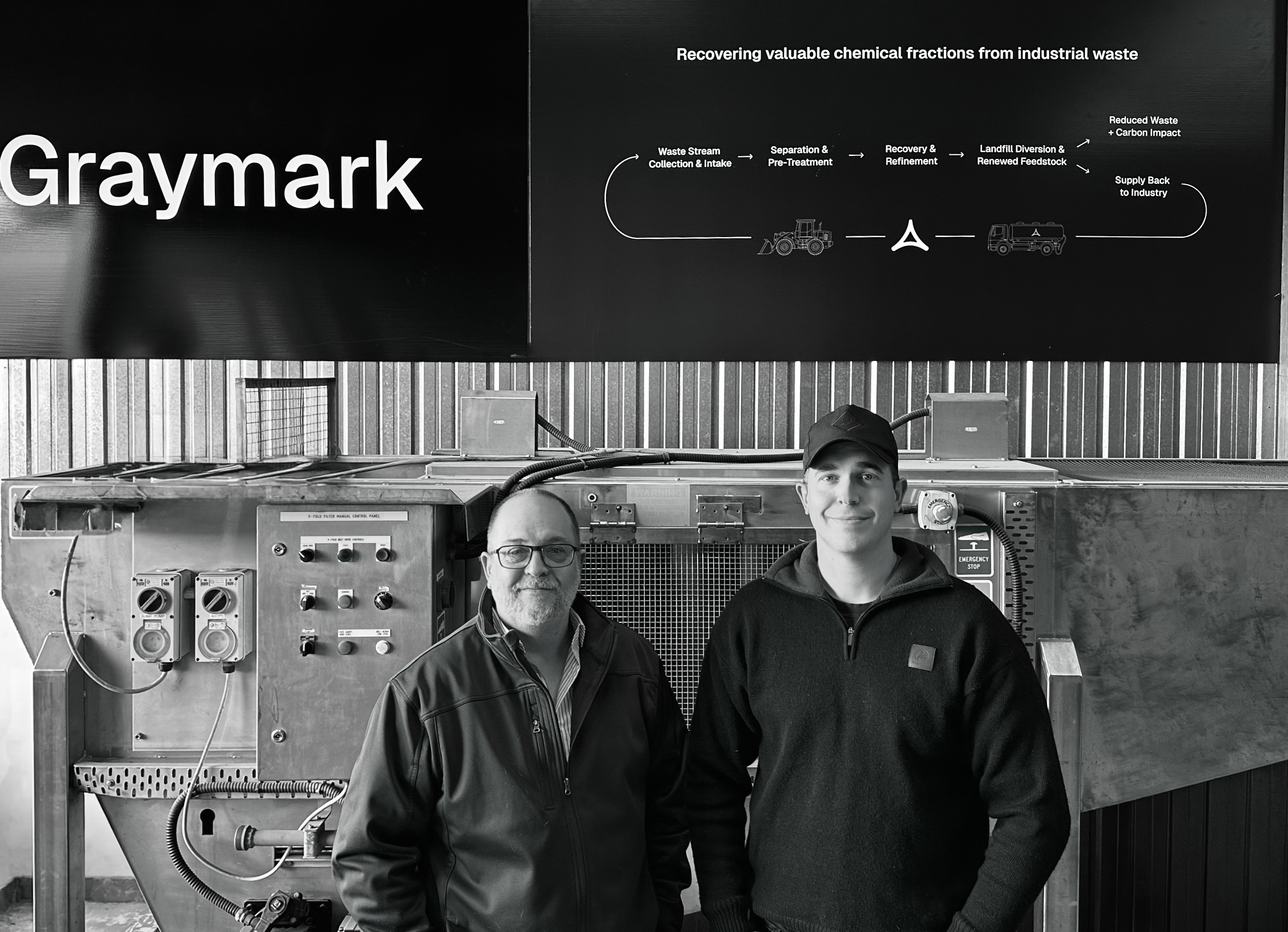
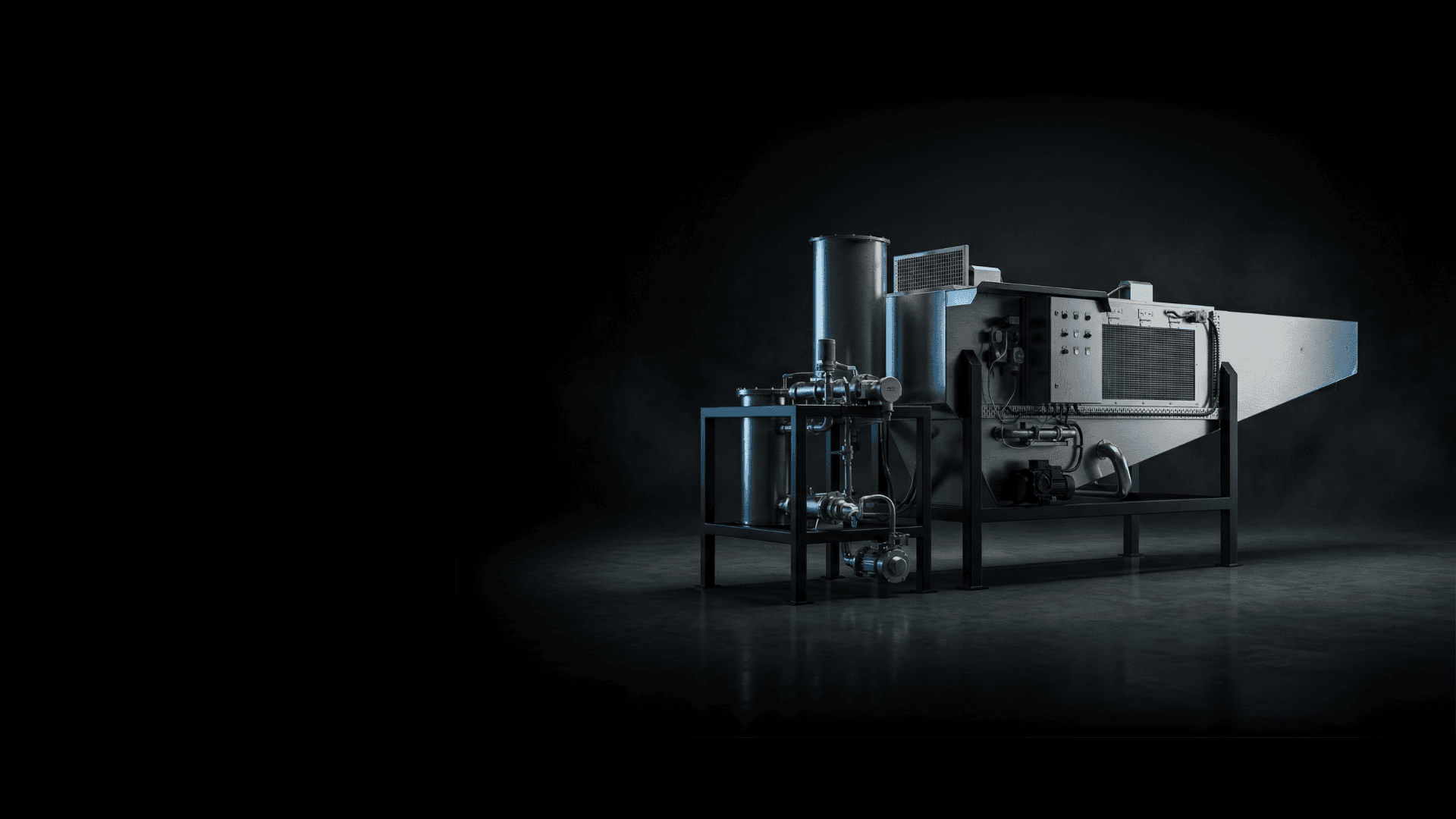
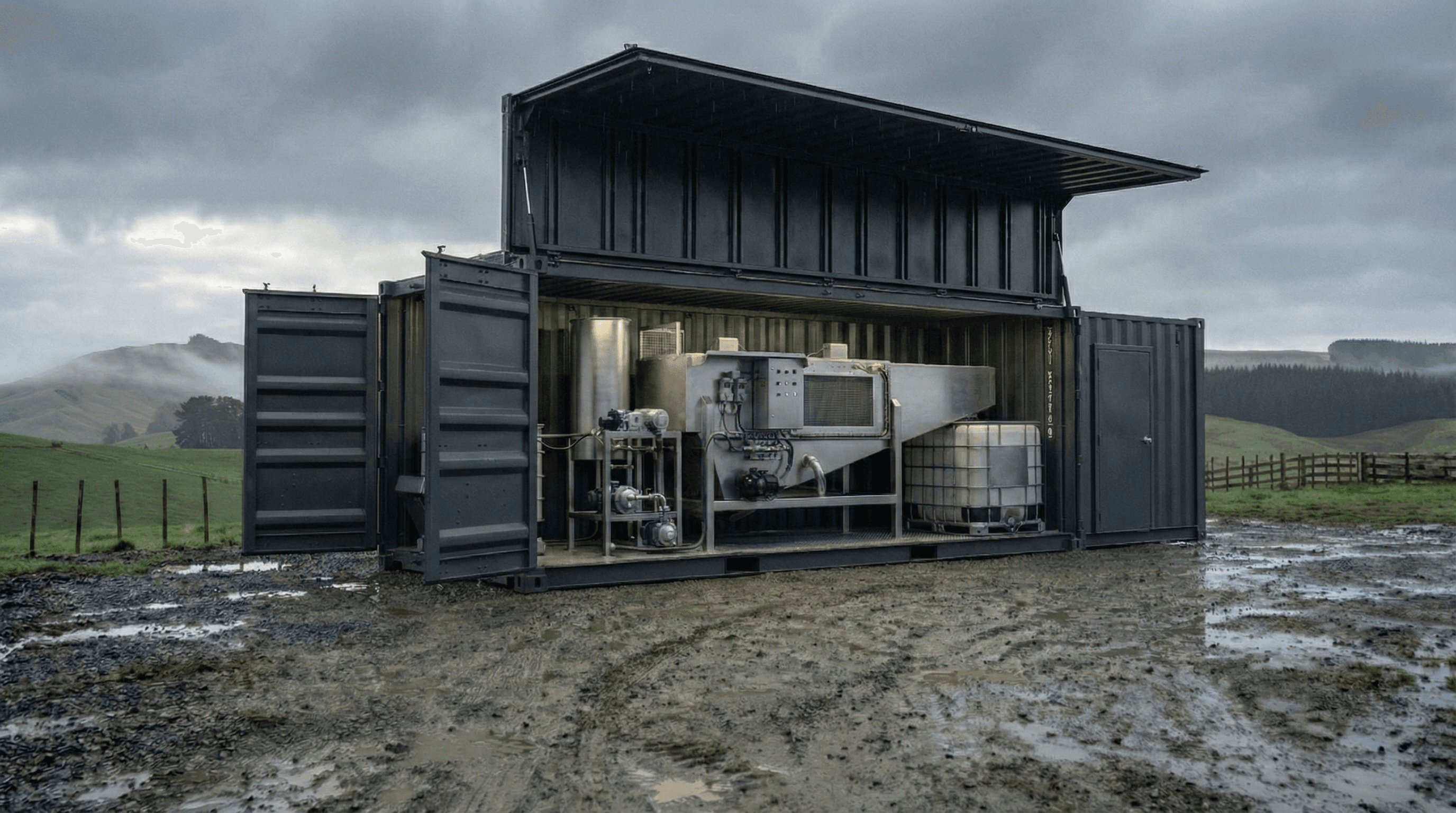
The PCB fraction is separated and concentrated onshore. The soil and metal are verified and returned. What leaves the site is a small, defined concentrate instead of a container of soil and steel. Every job closes with an independent laboratory report on the clean fraction, written for the regulator and the asset owner’s file.