



·
Explainer
Why every Graymark job ends with an independent lab report
The file that closes a job: characterisation, batch log, independent results, certificate. Why a monitoring schedule is a liability and a certificate is not.
Every Graymark job ends the same way. An independent laboratory tests the clean fraction, and the result goes in the file. Not our laboratory. Not our number. Theirs. Here is why we built it that way, and what the file contains.
The file
Characterisation of the incoming stream. Before we accept anything, we characterise it. What is in it, at what concentration, in what matrix. That characterisation is the baseline every later number is measured against.
Batch log against that characterisation. Every batch that goes through Regen is logged against the incoming characterisation, so the file shows what went in and what came out, batch by batch.
Independent laboratory results on the clean fraction. The returned soil, water or media is sampled and sent to an independent laboratory, tested against your site or discharge criteria.
Certificate and report. In your hands within days of the final batch. Written for the consultant, the auditor, the council and the regulator who will read it.
Why a monitoring schedule is a liability
Stabilisation and containment close with a monitoring schedule. Someone samples the groundwater every year, forever, and the site carries a management plan on its title. The contamination is still there. The schedule is the admission. A certificate on a returned clean fraction closes the question instead of deferring it. The soil was tested, it met the criteria, it went back. The file ends.
Why independent
We run the chemistry. We should not also be the ones marking the result. An independent laboratory removes the question of whether the number was ours, and gives the consultant and the regulator a result they can rely on without taking our word for it. Verification is a process, not a badge. It happens on every job, and the results are on file.
Why we do not quote removal percentages on your matrix up front
Every stream is different. The same contaminant behaves differently in a clay, a sand, a sludge and a washwater. A percentage quoted before we have run your material is a guess, and a guess with a number on it is worse than no number at all. We characterise first, run the chemistry on your material, and then tell you what came out. Over 90% of the target removed, often to non-detect, is what the work has shown across the streams we take. Your number comes from your sample.
Who reads the file
The consultant who wrote the Remediation Action Plan and has to close it. The council officer who signs off the change of use. The auditor who asks a waste company where the fraction went. The buyer who wants to know what is under the land. The regulator who asks a lines company what happened to the PCBs. Each of them reads a different page of the same file, and each of them needs the number on that page to have come from somewhere other than us.
What we will not do
We will not quote a removal percentage on your matrix before we have run your material. We will not describe the chemistry, because the chemistry is the company. And we will not call a job finished until the independent result is in the file. Verified or not finished.
How a job runs
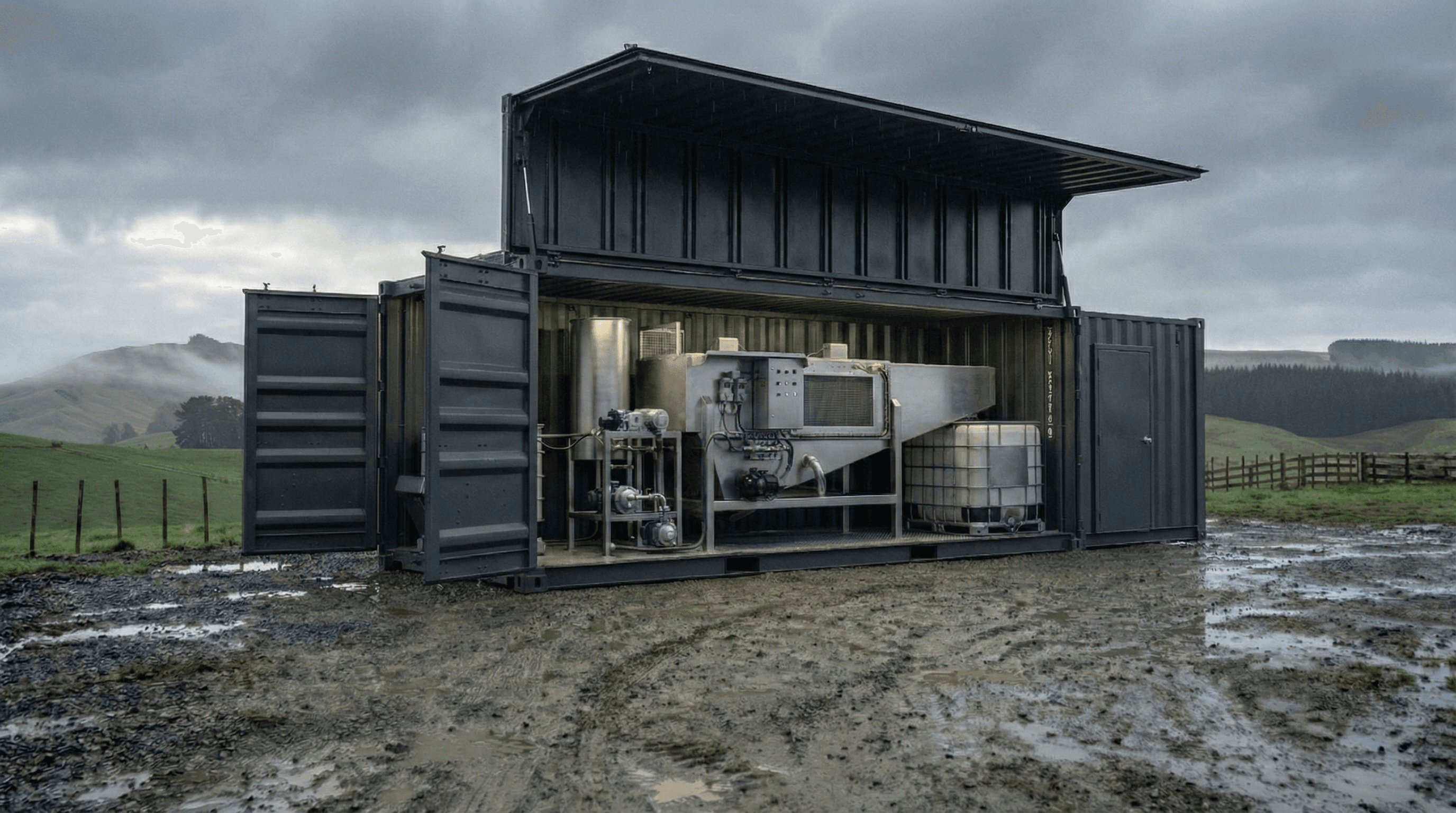
Send the analysis if you have it, or a sample if you don’t. We characterise the stream before it is accepted and come back with a pathway and a price within a week of receiving the sample. Material is processed at our Nelson facility by the tonne or by the tranche, or Regen arrives on your site by truck and is running in days. Every job ends with an independent laboratory report on the clean fraction: characterisation, batch log, independent results, certificate.
Questions.
Next entry
Graymark joins Aurora Climate Lab Cohort 6
→