



·
Explainer
What actually happens to New Zealand’s hazardous waste
Three pathways take almost everything: Class 1 landfill under the levy, stabilisation and containment, and export under the Basel Convention. None of them removes the contaminant.
Ask where New Zealand’s hazardous waste goes and you get three answers. It goes to a Class 1 landfill. It gets stabilised and left where it is. Or it gets packed into a container and shipped offshore. Each of these is a logistics decision. None of them changes the chemistry.
Pathway one: Class 1 landfill
Most hazardous solids, contaminated soil, treatment sludge, spent blast media, end up in a Class 1 landfill. The material has to pass acceptance criteria, which often means blending it with binder or fill until it does, and the whole mass pays the gate fee and the waste disposal levy. The levy on Class 1 landfill is $70 per tonne from 1 July 2026, rising to $75 per tonne from 1 July 2027. The contaminant is still there. It is diluted, contained and recorded against a cell, and the generator’s name stays on the manifest.
Pathway two: stabilise and contain
Where digging is too expensive or the site is too large, the soil is bound with cement or another binder and left in place under a cap. A management plan and a monitoring schedule go on the title. This passes the test on the day. It also passes the liability to whoever owns the land in thirty years, when the cap fails, the water table moves, or the land is wanted for something else.
Pathway three: export
Persistent organic pollutants have nowhere to go in New Zealand. PCBs, organochlorine pesticides and the wider family covered by the Stockholm Convention are controlled under New Zealand’s National Implementation Plan, and the historic answer has been to export them for destruction. New Zealand has exported PFAS firefighting foam to Europe for destruction, and PCB equipment and oils go the same way. Each shipment needs permits under the Basel Convention, a receiving facility, and a chain of custody that stretches across the planet. The soil the contaminant sat in usually stays behind, and goes to pathway one.
What the three pathways have in common
They move the contaminant. They dilute it, cap it, or ship it. They charge by the tonne for the whole mass, when the contaminant is usually a small fraction of that mass. And they leave someone holding the liability: the generator on the manifest, the landowner on the title, or the exporter on the permit.
Logistics versus chemistry
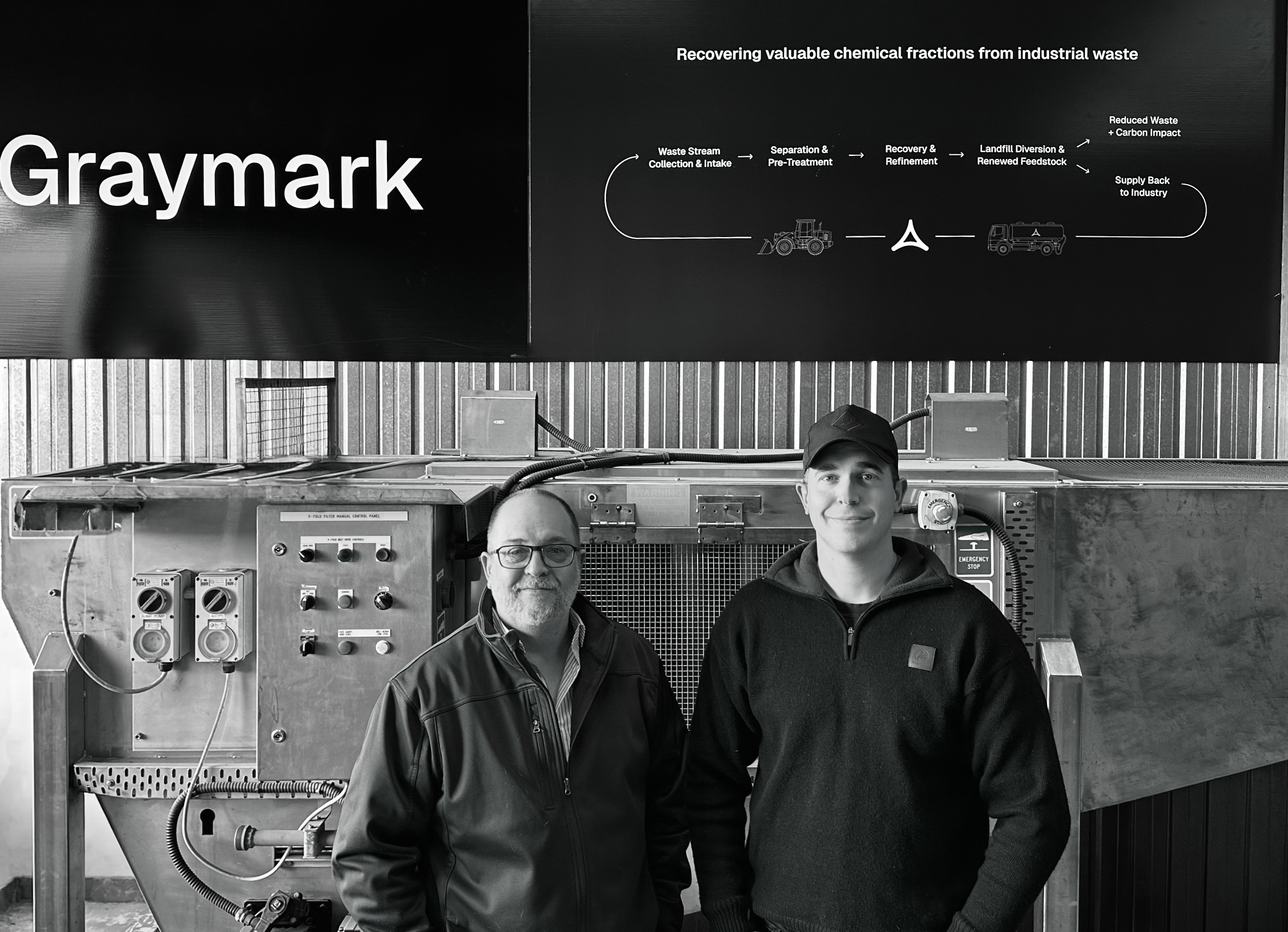
The alternative is to treat the contaminant as the target. Separate it from the soil, water or residue it arrived in. Concentrate it into a small, defined volume. Verify the clean fraction with an independent laboratory and return it to use. That is chemistry, and it is what Regen does. The soil goes back. The water goes back. What leaves is a drum, not a truck fleet, and the report that closes the job is a certificate rather than a monitoring schedule.
If you are holding a stream that is headed for one of the three pathways, send us the analysis. We quote within a week of a sample.
Who ends up holding it
The generator, until the manifest is signed. The landfill operator, for the life of the cell. The landowner, for the life of the title. The exporter, until the receiving facility signs off. The liability never disappears under any of the three pathways. It changes hands, and it changes hands with a document attached that says what was moved and where. Insurers, auditors and buyers read those documents. So do councils when the land changes use.
Why the mass matters
Hazardous waste is priced by the tonne, and the tonne is mostly not the hazard. A load of contaminated soil is soil with a small quantity of metal or pesticide in it. A tanker of washwater is water with a contaminant load. The three pathways charge for the whole mass because they move the whole mass. Separation charges for the contaminant because it moves the contaminant. That is the economic difference, and it widens every time the levy rises.
How a job runs
Send the analysis if you have it, or a sample if you don’t. We characterise the stream before it is accepted and come back with a pathway and a price within a week of receiving the sample. Material is processed at our Nelson facility by the tonne or by the tranche, or Regen arrives on your site by truck and is running in days. Every job ends with an independent laboratory report on the clean fraction: characterisation, batch log, independent results, certificate.
Questions.
Sources
Next entry
PCB disposal in New Zealand: your options
→