



·
Answer
PCB disposal in New Zealand: your options
Who holds PCBs, what HSNO and the Stockholm Convention require, the export pathway, and the onshore separation pathway.
Polychlorinated biphenyls were used in transformer oils, capacitors and switchgear for decades. They are a Stockholm Convention persistent organic pollutant, and in New Zealand they are controlled under the Hazardous Substances and New Organisms Act, HSNO. If you hold them, you hold an obligation to deal with them, and until recently there has been one way to do it.
Who holds PCBs
Lines companies and transmission operators, mostly. Legacy transformers and capacitors in substations and switchyards. Industrial sites with old electrical plant. And the soil under all of it, wherever equipment leaked. Contaminated substation soil is usually the largest mass by a wide margin, and it is the part that gets forgotten when the equipment is dealt with.
What the rules require
HSNO controls the storage, handling and disposal of PCBs and sets the thresholds that make equipment and material hazardous. The Stockholm Convention commits New Zealand to eliminating PCBs from use and managing the stockpiles. Any export of PCB waste for destruction requires permits under the Basel Convention, agreed between the exporting and receiving countries before anything moves.
Option one: export
The historic pathway. Equipment and oil are drained, packed and permitted, then shipped to an offshore facility for destruction. It works, and it is slow, and it is expensive, and the custody risk travels with the container. The contaminated soil almost never goes with it. That is landfilled under the waste disposal levy, or stabilised in place.
Option two: onshore separation
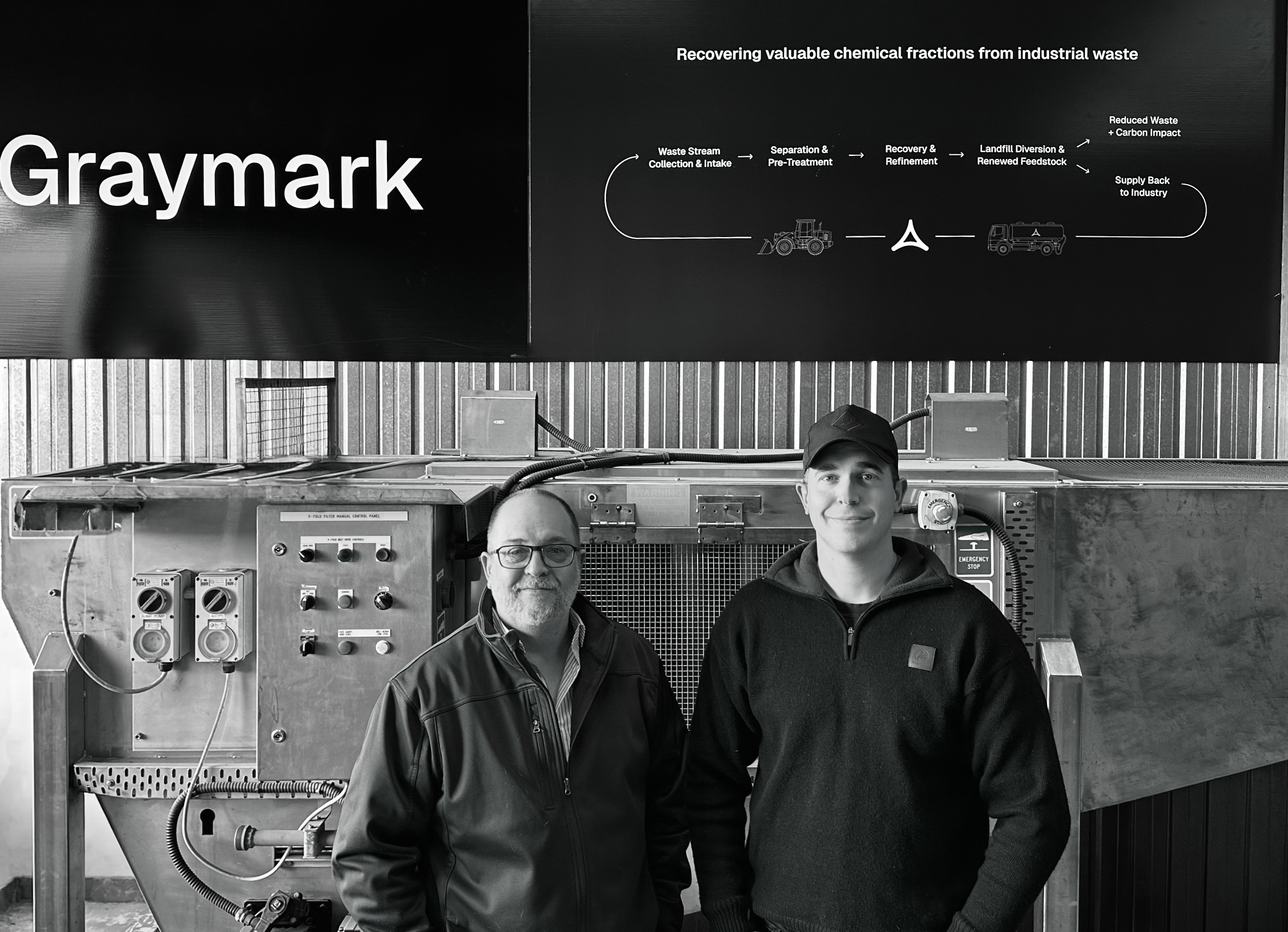
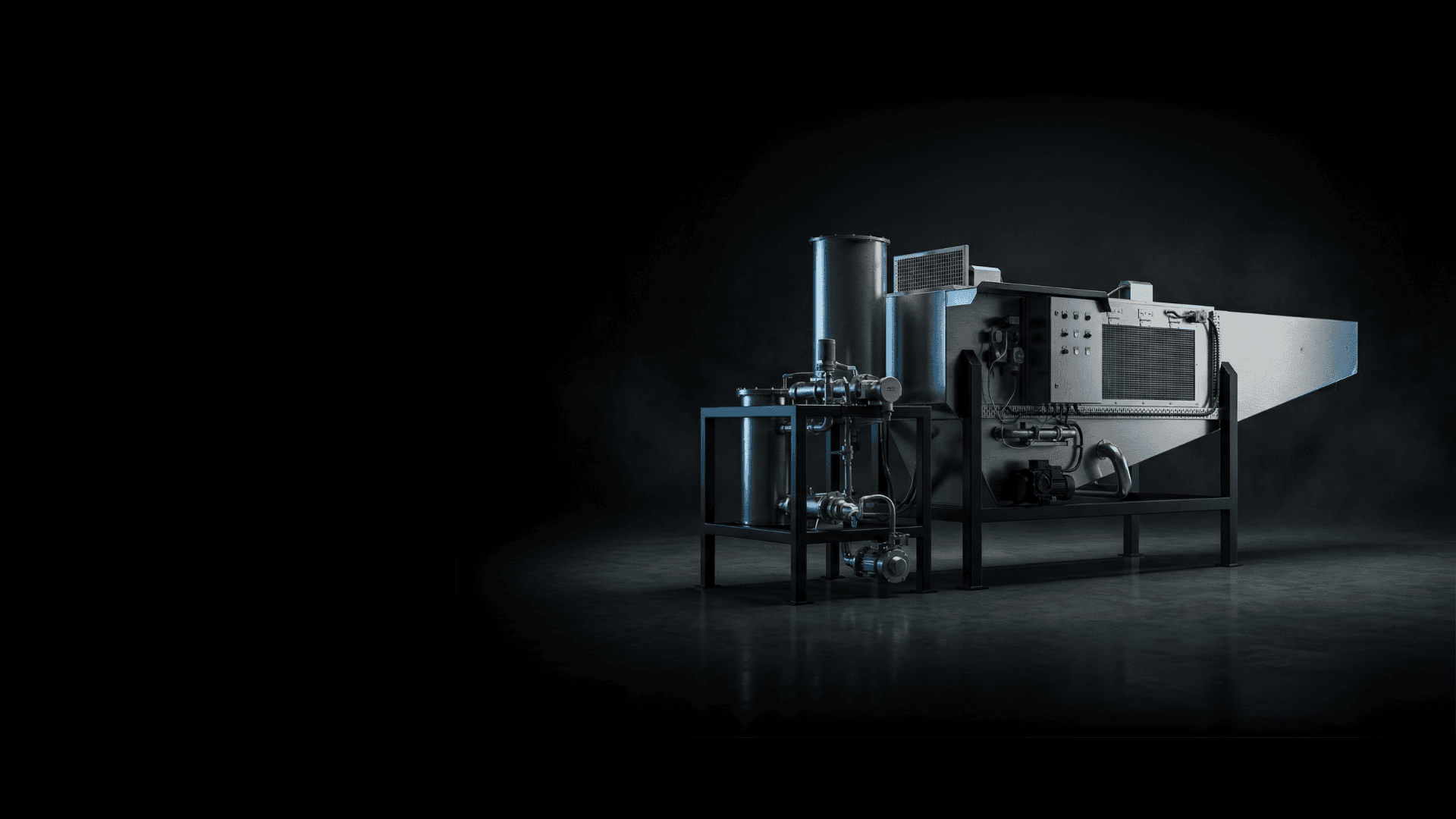
The PCB fraction is separated from the oil, the metal and the soil, and concentrated into a small, defined volume. The soil is verified by an independent laboratory against your site criteria and returned. The metal is verified and goes back to use. What has to be permitted and moved is the concentrate, a fraction of the original mass, instead of the whole lot. Graymark takes PCB-contaminated oils, drained transformers, capacitors, switchgear and substation soil as standard work, at our Nelson facility or on site.
How to decide
Start with the mass. If most of what you hold is soil and steel, exporting it is paying hazardous freight on material that does not need to go. Send us the site investigation or a sample. We characterise the stream and quote within a week.
What to do with the soil
Substation soil is where most of the PCB mass sits and where most of the cost hides. A drained transformer is a few hundred kilograms. The ground under it can be hundreds of tonnes. If the soil goes to a Class 1 landfill under the waste disposal levy, the lines company pays freight and levy on every tonne, and the PCB fraction goes into the cell with it. Treating the soil on site or in Nelson, and returning it verified against the site criteria, takes that mass out of the equation.
Reading your own inventory
Most asset owners hold a PCB register of some kind: equipment nameplates, oil test results, historic leak records. That register is the starting point. It tells you which sites to sample first, and the sampling tells you what the soil is carrying. Send the register and the site data with a sample, and the quote covers the oil, the equipment and the soil as one job rather than three.
How a job runs
Send the analysis if you have it, or a sample if you don’t. We characterise the stream before it is accepted and come back with a pathway and a price within a week of receiving the sample. Material is processed at our Nelson facility by the tonne or by the tranche, or Regen arrives on your site by truck and is running in days. Every job ends with an independent laboratory report on the clean fraction: characterisation, batch log, independent results, certificate.
Questions.
Sources
Next entry
Spent blasting grit and blast media: disposal options in NZ
→