



·
Answer
Spent blasting grit and blast media: disposal options in NZ
Spent garnet and grit hold the coatings they removed. Here is how the waste codes, HAIL and the levy treat them, and what the onshore alternative looks like.
Abrasive blasting takes old coatings off steel, hulls and structures. The spent garnet or grit carries everything it removed: lead paint, zinc, copper antifouling. The media itself is inert. The coating fragments in it are not, and that is what decides where it goes.
How the rules classify it
On the New Zealand Waste List, blasting material carries two codes. 12 01 16* is hazardous blasting material, the asterisk marking it as hazardous. 12 01 17 is blasting material other than that mentioned in 12 01 16. Which code applies depends on what is in the media, and that is a laboratory question, not a guess. Abrasive blasting is a listed activity under the Hazardous Activities and Industries List (HAIL), category D, and dry docks and vessel maintenance are listed under category F. Land where either has happened is treated as potentially contaminated under the NES for Contaminated Soil (NES-CS).
The usual pathway
Class 1 landfill as hazardous. The media is bagged or binned and sent to landfill under the waste disposal levy, $70 per tonne from 1 July 2026 and $75 per tonne from 1 July 2027, on top of the hazardous gate fee. The garnet, which is most of the mass, pays the same rate as the coating fragments that made it hazardous. Blasters pay for the media twice: once to buy it, once to bury it.
The alternative
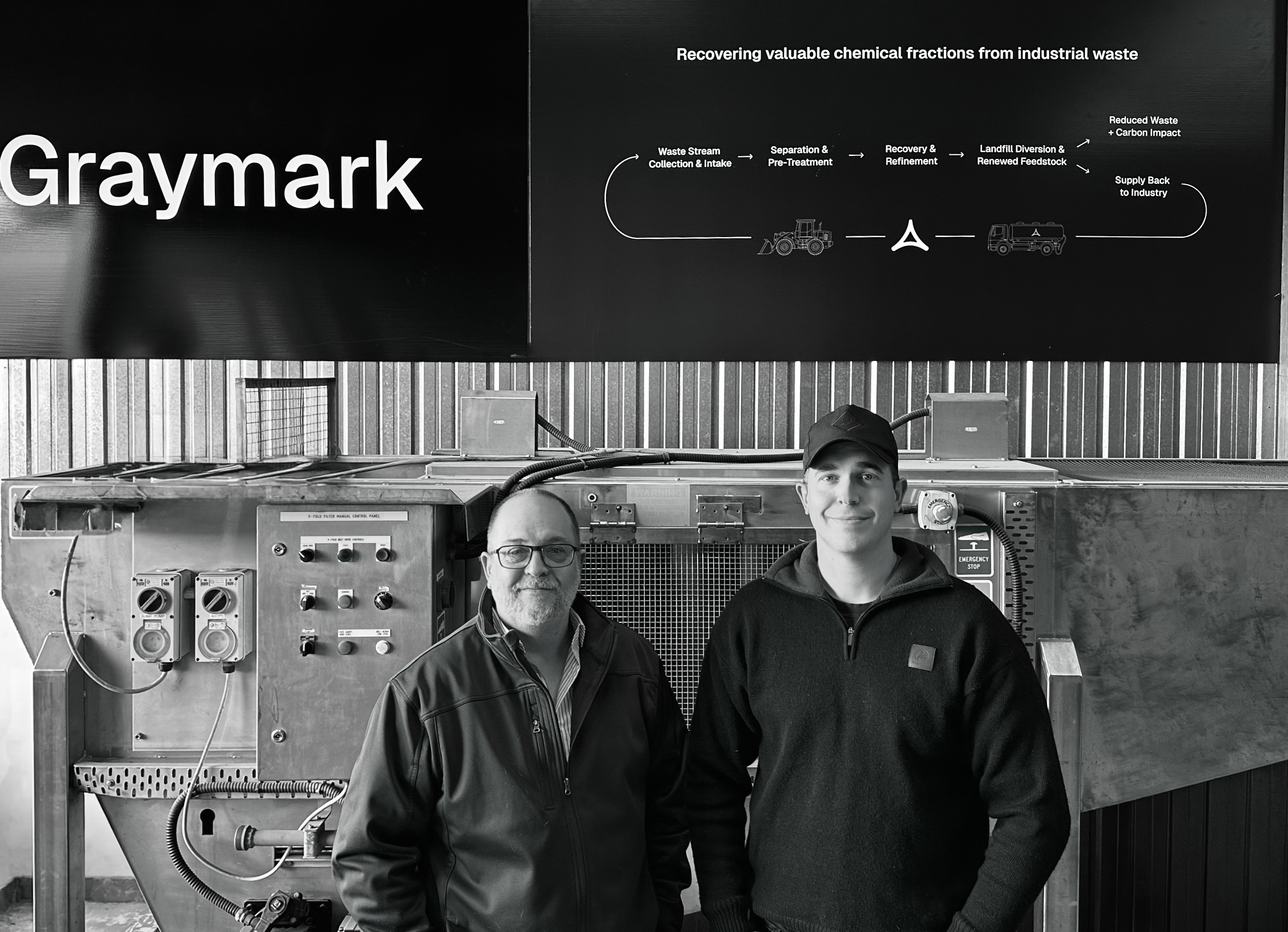
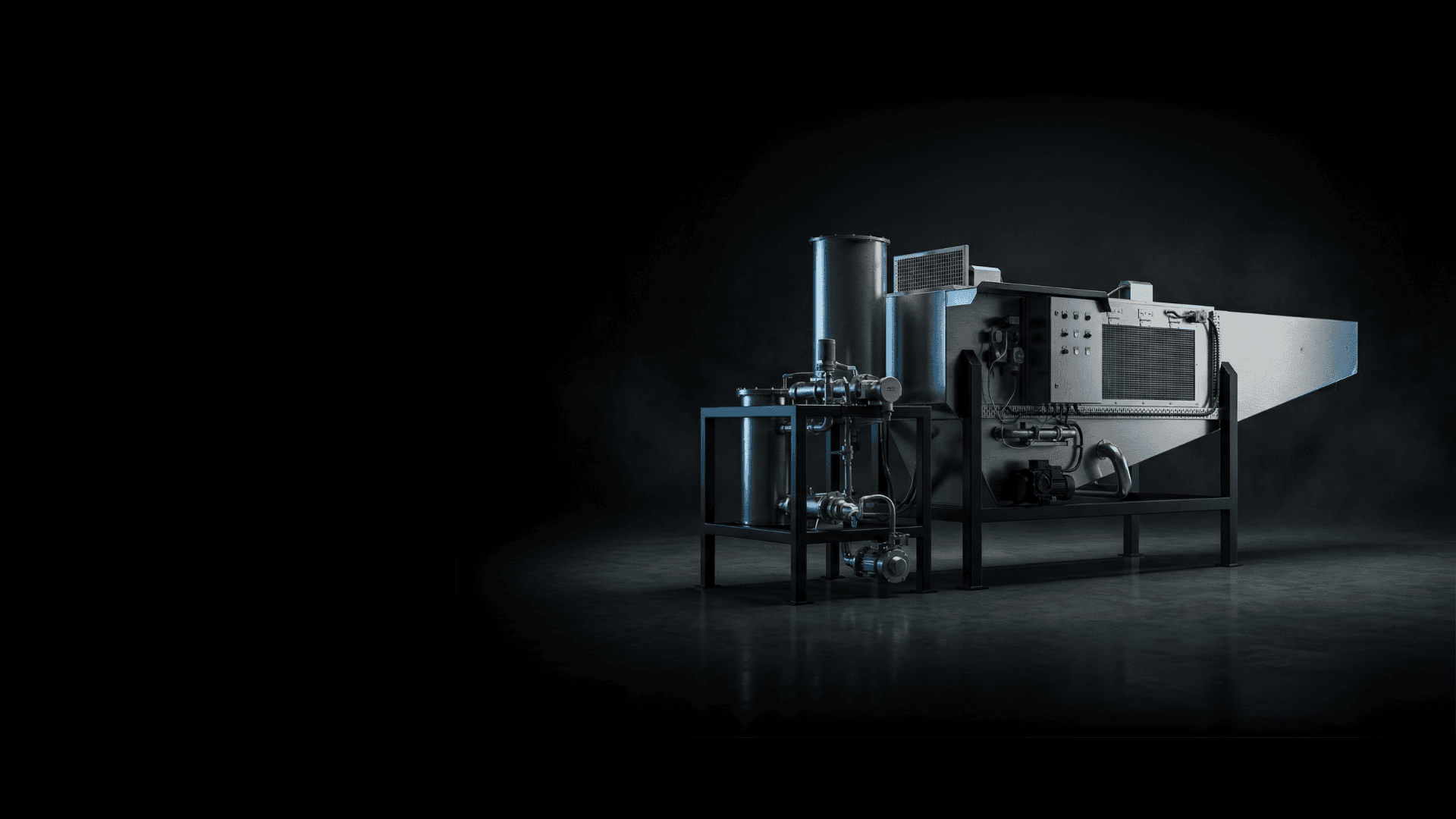
Separate the metals and coatings from the media. Verify the media with an independent laboratory. Return it to use where it meets your specification, or send it on at a lower waste class where it does not. The metals and coating fragments leave as a small, defined concentrate. Graymark takes spent garnet and grit, slipway and hardstand residues and dredged sediment as standard work, at our Nelson facility or on site.
What to do first
Get the media characterised. The analysis tells you which waste code applies and what the levy is costing you. Send it to us with a sample, and we quote within a week.
What the analysis needs to show
The laboratory looks for the metals the coatings left behind: lead from old paint, zinc from galvanising and primers, copper from antifouling, and whatever else the substrate carried. The results decide the waste code, the levy and whether the media can go anywhere but a hazardous cell. Blasters who characterise their spent media routinely know their numbers before the landfill does, and that knowledge changes the conversation with the landfill.
For yards, ports and contractors
A boatyard produces spent media every time a hull is stripped. A bridge contractor produces it every time a span is repainted. The volumes are predictable and the chemistry repeats, which is what makes the stream a good fit for standing work: a scheduled collection, a known price per kilogram, and a report for every run that the yard can hand to its client or its council.
How a job runs
Send the analysis if you have it, or a sample if you don’t. We characterise the stream before it is accepted and come back with a pathway and a price within a week of receiving the sample. Material is processed at our Nelson facility by the tonne or by the tranche, or Regen arrives on your site by truck and is running in days. Every job ends with an independent laboratory report on the clean fraction: characterisation, batch log, independent results, certificate.
Questions.
Sources
Next entry
Mine water and acid mine drainage treatment in New Zealand
→