



·
Answer
Mine water and acid mine drainage treatment in New Zealand
What the RMA requires of mine water discharges, what Tui Mine cost, and why a deployable unit changes the economics for closed and legacy sites.
Water moving through a mine picks up what the rock holds. Acid mine drainage carries iron, aluminium, zinc, copper and arsenic out of the workings, and it keeps doing so long after the last tonne of ore. For operating mines it is a consent condition. For closed and legacy mines it is a cost with no revenue against it.
What the rules require
Discharges of contaminants to water are controlled under section 15 of the Resource Management Act. A discharge needs a consent, and the consent sets limits. Those limits are usually set with reference to the Australian and New Zealand Guidelines for Fresh and Marine Water Quality, the ANZG 2018 guidelines, which set default guideline values for metals in freshwater. Meeting them is the job, every day, for as long as the water flows.
What it has cost
Tui Mine at Te Aroha is the reference case. The remediation of the legacy mine and its tailings was completed in 2013 at a cost of about $21.7 million, shared between central and local government. It is the most expensive mine remediation in New Zealand’s history and it was a legacy site, with no operator left to pay.
The usual pathway
Lime dosing and a long-term treatment plant. The water is dosed to raise the pH and drop the metals out as sludge. The sludge then needs its own pathway, usually a Class 1 landfill under the waste disposal levy, $70 per tonne from 1 July 2026 and $75 from 1 July 2027. The plant runs for as long as the water does, and the sludge pond grows with it.
The alternative
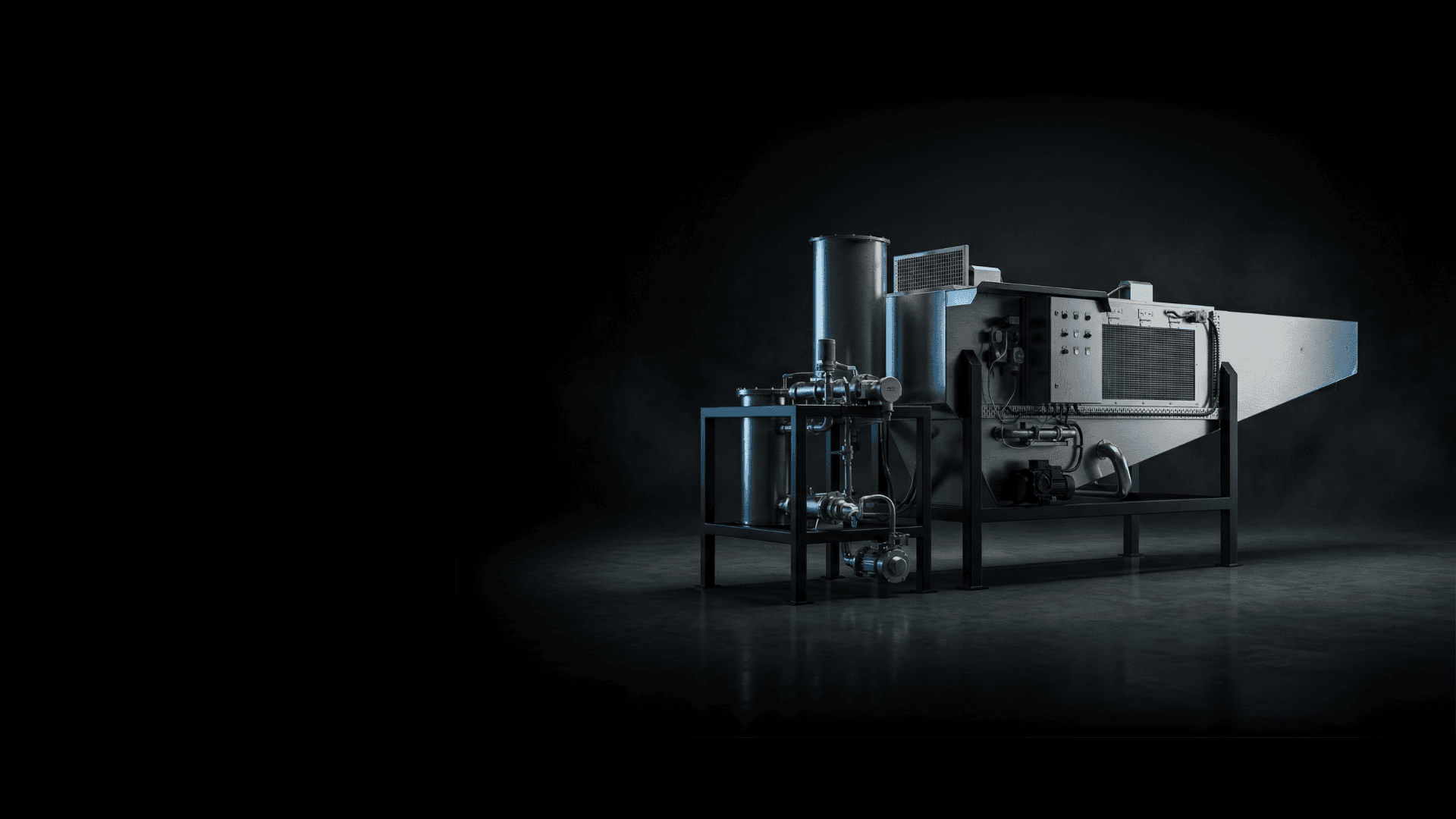
Metals separated and concentrated. Water verified. Regen is containerised, arrives by truck and is running in days, so the water is treated where it is produced. The metals leave as a small, defined concentrate instead of a growing sludge pond, and where they have value they are recovered. The water is tested against the discharge limits by an independent laboratory and the report is written for the consent file. Graymark takes acid mine drainage, metal-laden water, tailings seepage and processing residues as standard work.
For councils and the Crown
Most legacy mine sites in New Zealand are on public land or have reverted to it. The question for the owner is whether to keep paying for a treatment plant or to deal with the metals once. Send us the water quality data and we quote within a week.
Operating mines and consent conditions
For an operating mine the water is a consent condition with a compliance monitoring schedule attached. Lime dosing meets the condition but creates the sludge, and the sludge is a second waste stream with its own cost and its own paperwork. Separating and concentrating the metals at the point of discharge replaces a growing pond with a defined concentrate, and gives the consent holder a laboratory result on the discharge rather than a sludge volume to explain.
What to send
Flow rates, the water quality data you already collect for the consent, and a sample. If the site is remote, tell us how it is accessed. Regen arrives by truck, and the quote covers mobilisation to the site as well as the treatment.
How a job runs
Send the analysis if you have it, or a sample if you don’t. We characterise the stream before it is accepted and come back with a pathway and a price within a week of receiving the sample. Material is processed at our Nelson facility by the tonne or by the tranche, or Regen arrives on your site by truck and is running in days. Every job ends with an independent laboratory report on the clean fraction: characterisation, batch log, independent results, certificate.
Questions.
Sources
Next entry
CCA treated timber waste: what the rules say and what is changing
→