



·
Answer
CCA treated timber waste: what the rules say and what is changing
CCA is copper, chromium and arsenic. Treated timber and its residuals are shut out of most reuse and burning pathways, and the sector is reviewing its options in 2026.
CCA is copper, chromium and arsenic, the preservative that has kept New Zealand’s posts, poles and framing in the ground and out of the weather for decades. It works because it is toxic to the things that eat wood. That is also why the waste is hard to deal with.
What the rules say
Treated timber is excluded from most reuse and burning pathways. It cannot go through a domestic fire, a boiler or a biomass plant without the arsenic going up the stack or into the ash. It cannot be chipped into mulch or garden product. Off-cuts, demolition timber and end-of-life poles have one legal destination in most districts, a Class 1 landfill, where they pay the waste disposal levy on every tonne.
The treatment plants that produce the timber hold a second stream: the sludges, drip-pad washings and filter cake that hold the same three elements in concentrated form. These residuals are hazardous waste and have traditionally been stabilised and buried.
What is changing
Councils and the timber sector are reviewing treated timber options in 2026. The volumes are growing as the first generations of treated structures reach the end of their lives, landfill capacity is tightening, and the levy makes burial a visible cost rather than a background one. The conversation has moved from whether treated timber waste is a problem to who pays to solve it.
Where Graymark fits
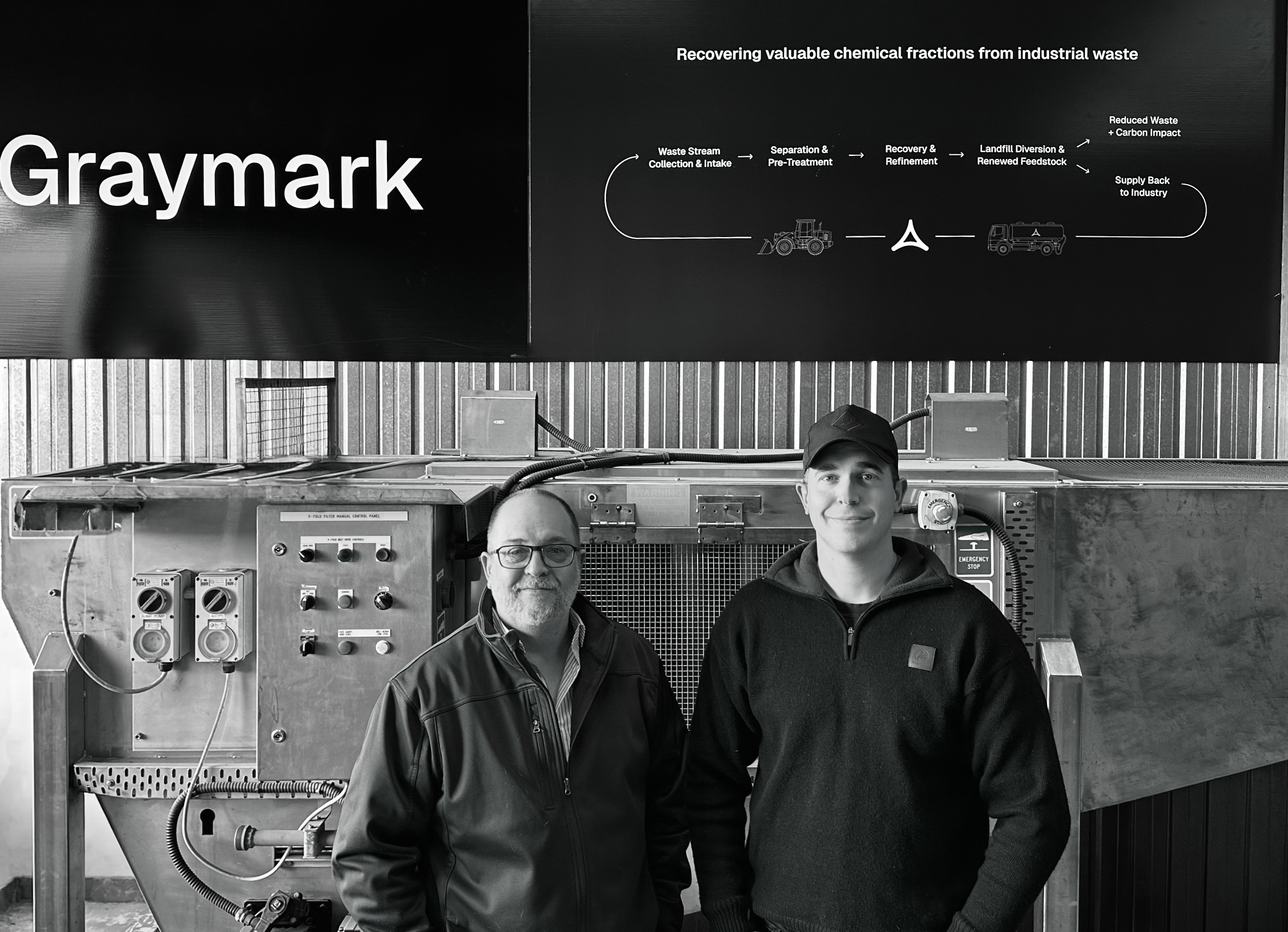
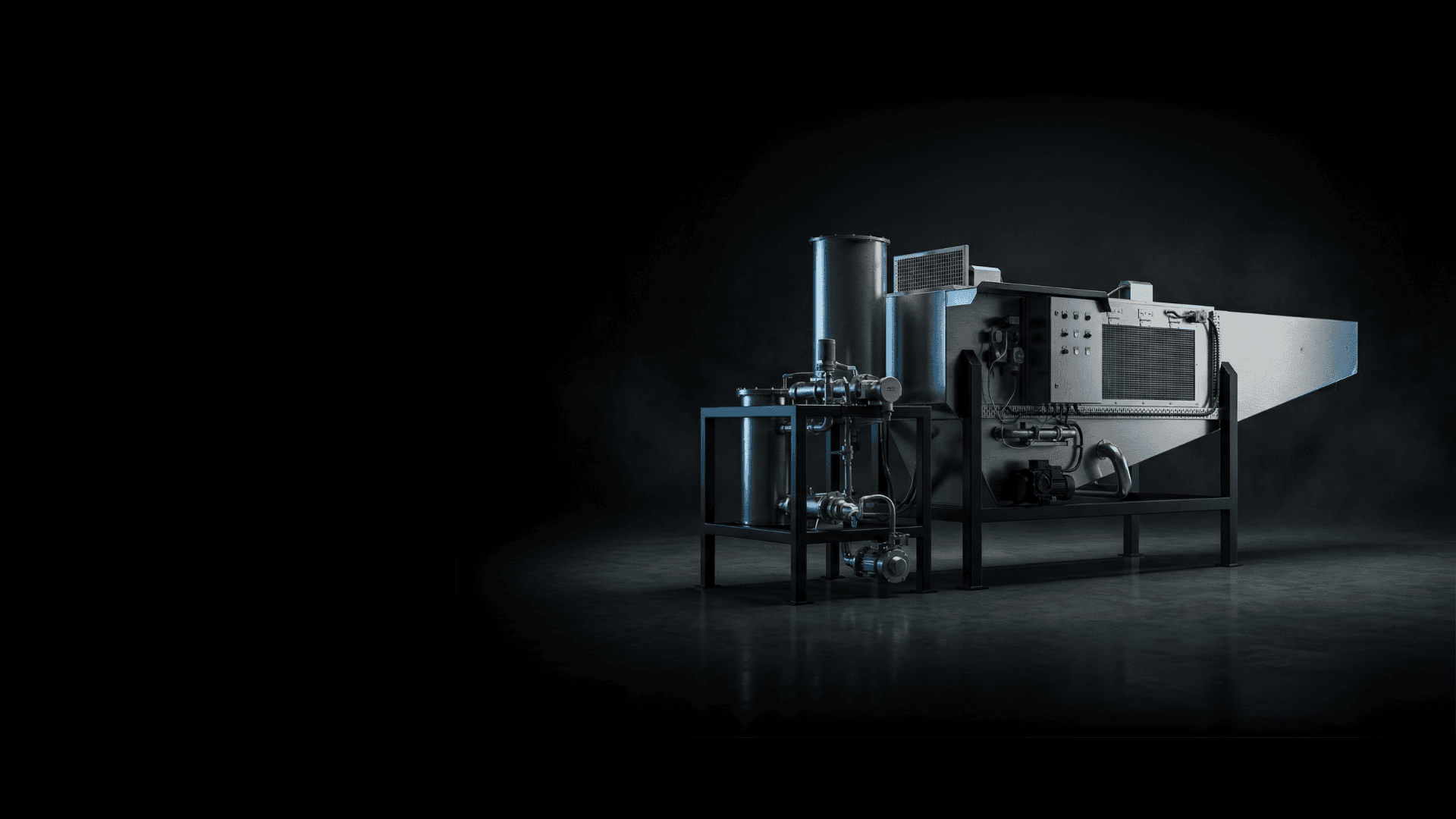
Treatment residuals and timber-derived streams are standard work for Regen. The copper, chromium and arsenic are separated from the residual. The treatment chemistry is recovered and credited back where it meets specification. What cannot be reused leaves as a small, defined concentrate, and every run closes with an independent laboratory report. For a treatment plant that means the residual stops being a line on the liability register and starts being a credit on the chemical account.
What to do with the stream you hold
If you run a treatment plant, send us a sample of the residual and the monthly volume. If you hold timber-derived material and want to know what is recoverable from it, send the analysis. We quote within a week.
The two streams, side by side
Timber-derived material, the posts and poles and off-cuts, carries copper, chromium and arsenic bound into the wood. Treatment plant residuals carry the same three elements in concentrated, mobile form. The residual stream is smaller by mass and far richer in recoverable chemistry, which is why it is the stream Regen took first and why it pays for itself as standing work. Timber-derived material is characterised the same way, and the analysis tells you what is recoverable from it.
For councils reviewing options
The question in front of councils in 2026 is where treated timber waste goes when the landfill is full or the levy makes burial a line item ratepayers notice. An onshore recovery option belongs in that review, with a characterisation and a price behind it. We can provide both within a week of a sample.
How a job runs
Send the analysis if you have it, or a sample if you don’t. We characterise the stream before it is accepted and come back with a pathway and a price within a week of receiving the sample. Material is processed at our Nelson facility by the tonne or by the tranche, or Regen arrives on your site by truck and is running in days. Every job ends with an independent laboratory report on the clean fraction: characterisation, batch log, independent results, certificate.
Questions.
Sources
Next entry
PFAS in soil and water: separation, concentration, and what happens next
→