




·
Answer
I own a HAIL site. What can I do before the remediation plan is written?
The options table usually defaults to dig and dump. The time to change that is before the Remediation Action Plan is drafted, not after.
Your land is on the Hazardous Activities and Industries List, or it is about to be. Somebody ran a treatment yard, a sheep dip, a gasworks or a workshop on it, and now you want to subdivide, build or sell. Here is what happens next, and where you still have a say.
How the process runs
The Hazardous Activities and Industries List (HAIL) is the list of activities likely to have contaminated land. If one of them happened on your site, the NES for Contaminated Soil (NES-CS) applies to any change of use, subdivision or soil disturbance. A Detailed Site Investigation comes first: sampling, laboratory analysis, a map of what is where and at what concentration. Then a Remediation Action Plan is written to get the site to the criteria for its next use.
Where the default comes from
The Remediation Action Plan contains an options table. It usually lists dig and dump to a Class 1 landfill, stabilisation in place, and occasionally a treatment option. Dig and dump wins most of the time, not because it is best, but because it is the pathway everyone has priced before. Once the plan is lodged, changing the option means re-opening the plan.
What you can do now
Get the Detailed Site Investigation done properly. The more you know about what is in the soil and where, the fewer tonnes you end up paying to move.
Ask for an onshore separation option in the table. Treating the soil on site or in Nelson and returning the clean fraction is a pathway your consultant can price against landfill. It needs to be in the table before the plan is finalised, with a characterisation and a quote behind it.
Send the investigation to us early. We characterise the soil from the investigation and a sample, and come back with a pathway and a price within a week. Your consultant gets a number to put in the table and method notes for the file.
What it changes
With separation in the table, the file can close with an independent laboratory certificate on the returned soil rather than a monitoring schedule on the title. The land goes to its next use without a liability attached, and the levy is paid on a drum of concentrate rather than on every tonne of soil.
For developers on a timeline
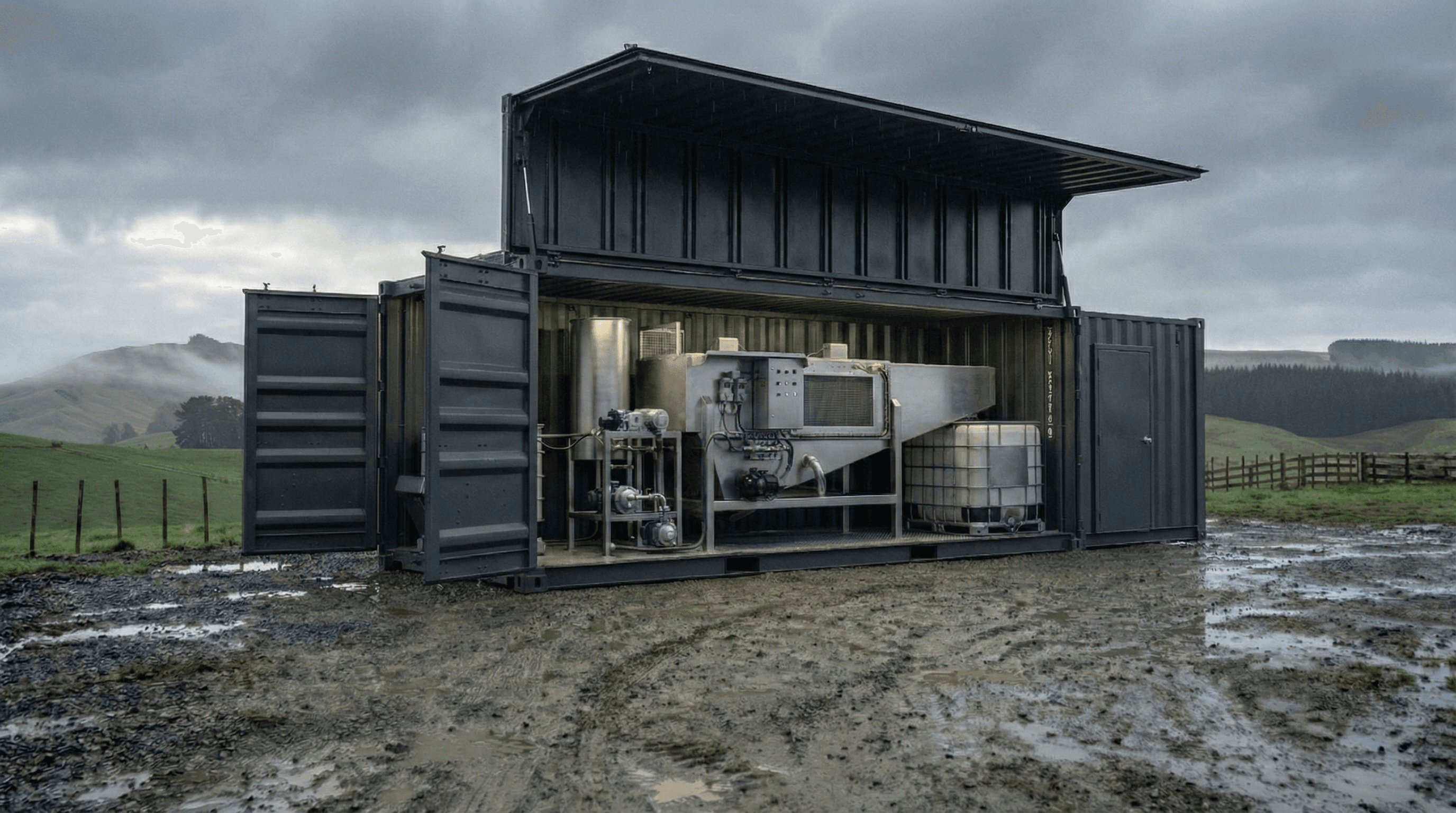
Dig and dump looks fast because the landfill is always open. On-site treatment runs in parallel with earthworks: the unit arrives by truck, runs where the stockpile sits, and the returned soil goes back as fill without a second truck movement. The certificate arrives within days of the final batch, which is usually before the landfill would have issued its last docket.
How a job runs
Send the analysis if you have it, or a sample if you don’t. We characterise the stream before it is accepted and come back with a pathway and a price within a week of receiving the sample. Material is processed at our Nelson facility by the tonne or by the tranche, or Regen arrives on your site by truck and is running in days. Every job ends with an independent laboratory report on the clean fraction: characterisation, batch log, independent results, certificate.
Questions.
Sources
Next entry
Why every Graymark job ends with an independent lab report
→