


·
Update
Waste-to-value economics
Waste has been treated as a cost of doing business. The numbers that made that true are changing, and recovery is becoming the cheaper option.
For decades, waste has been treated as a cost of doing business. A compliance expense, a disposal line item, a problem to move off site and out of sight. As materials get more expensive, regulation tightens and disposal prices climb, that model no longer holds.
At Graymark we hold a simple position: waste is not a cost. It is an untapped resource. Across our work we are showing that recovery creates measurable commercial value, and that recovering what industry produces is not only environmentally necessary. It is economically inevitable.
From cost centre to value
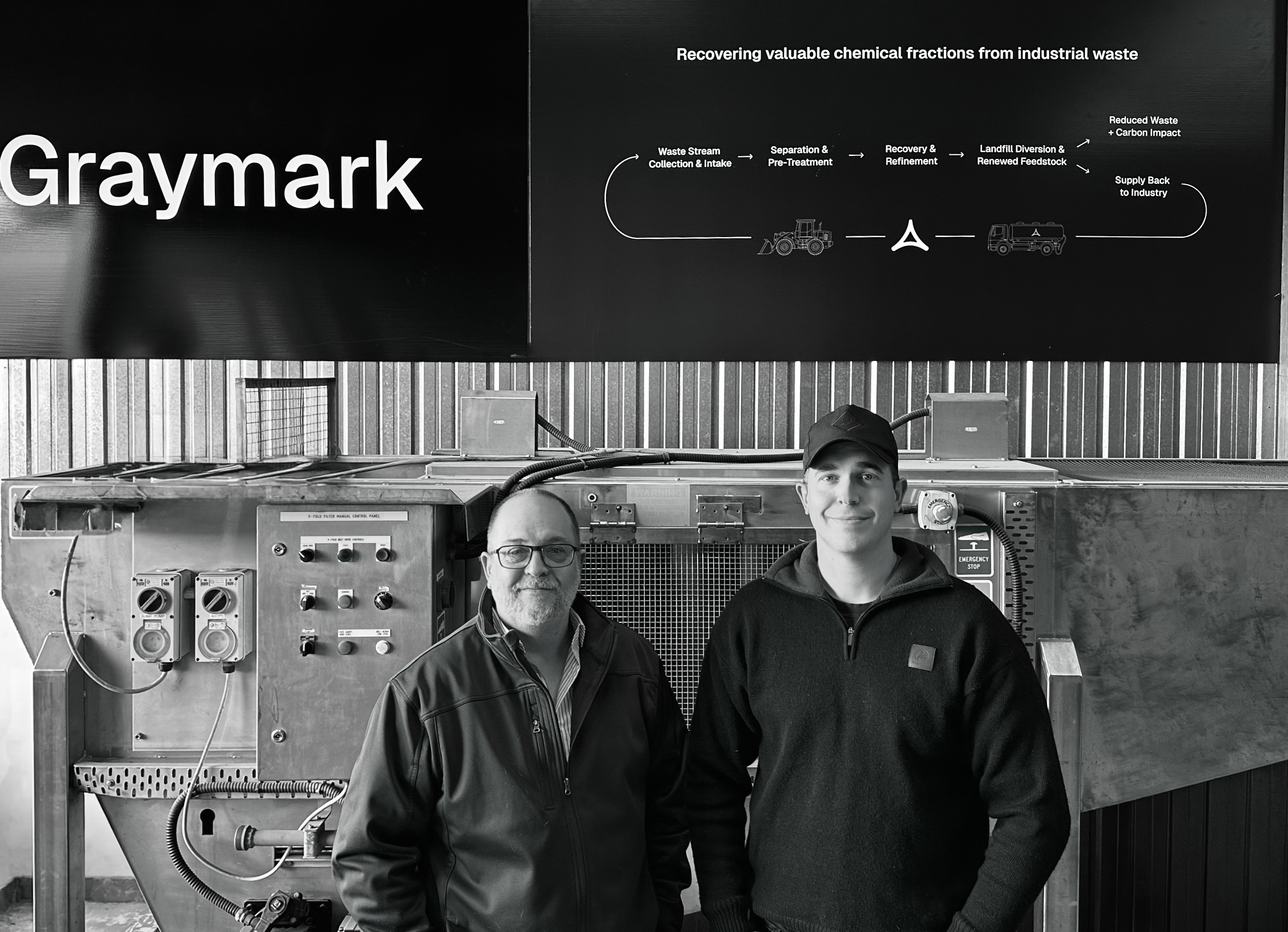
Replacing disposal with recovery removes the gate fee, the levy and the freight on the whole tonnage, and replaces it with a per-kilogram price on the contaminant. Beyond that, recovery creates secondary value: recovered treatment chemistry, reusable glycol, metal fractions and clean material that goes back to use. Each recovered product displaces an import, reduces hazardous storage, and gives regional industry a supply it did not have.
What circular industry means
Circular industry is an economic and engineering model that keeps materials in use for as long as possible. Instead of take, make and dispose, it recovers, refines and reuses what production leaves behind. In simple terms, the waste from one process becomes the raw material for another. For heavy industry that means fewer imports, less to landfill and cleaner production. For New Zealand it means an industrial base that can grow without growing its waste.
Supporting primary industry
Timber, agriculture, meat and energy form the backbone of the economy and produce the most complex streams in it: chemicals, residues, washwaters and organic by-products that are difficult and costly to manage. Graymark’s job is to keep those industries competitive by turning what they pay to bury into something they can use or sell.
Circularity in practice
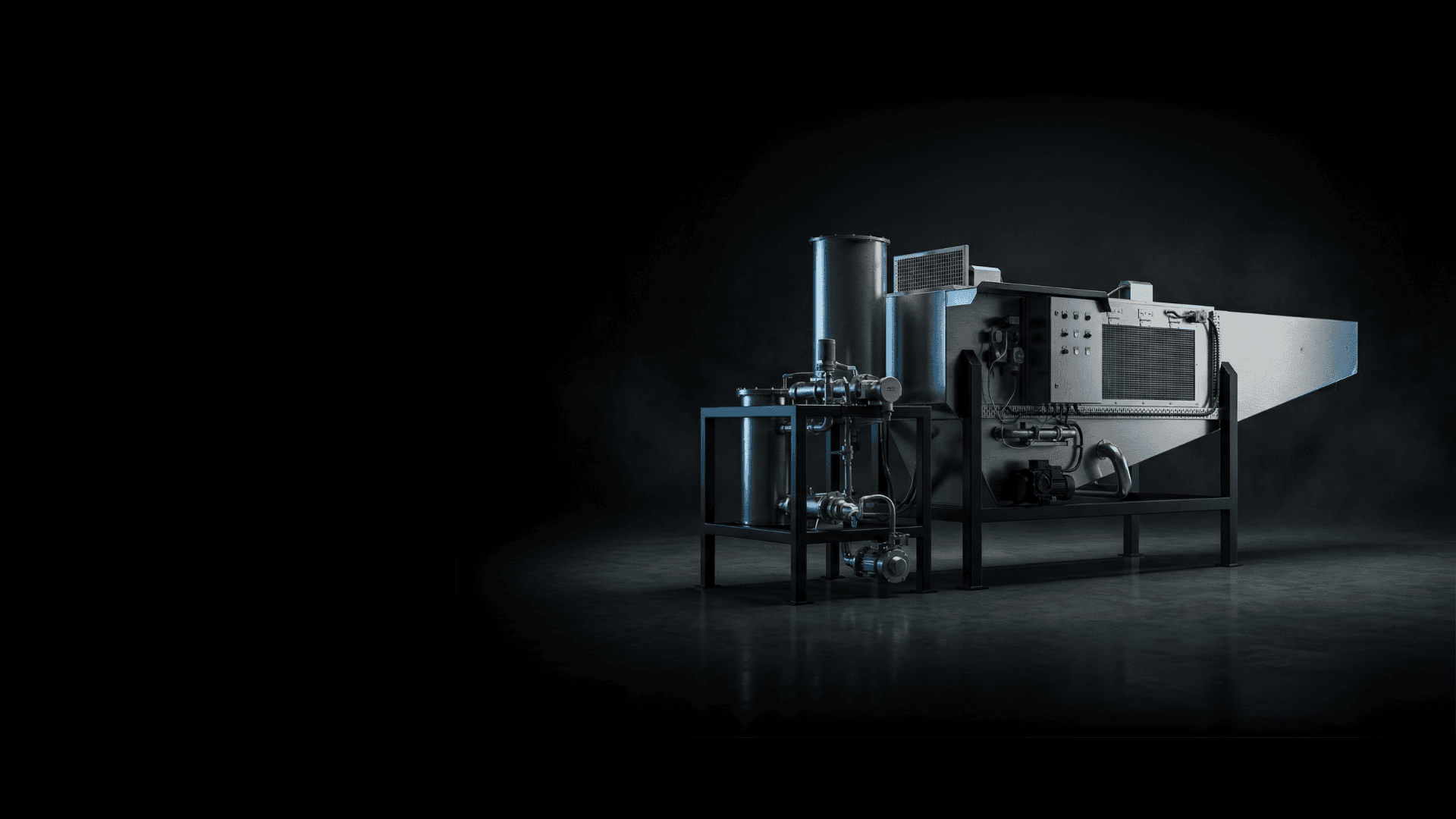
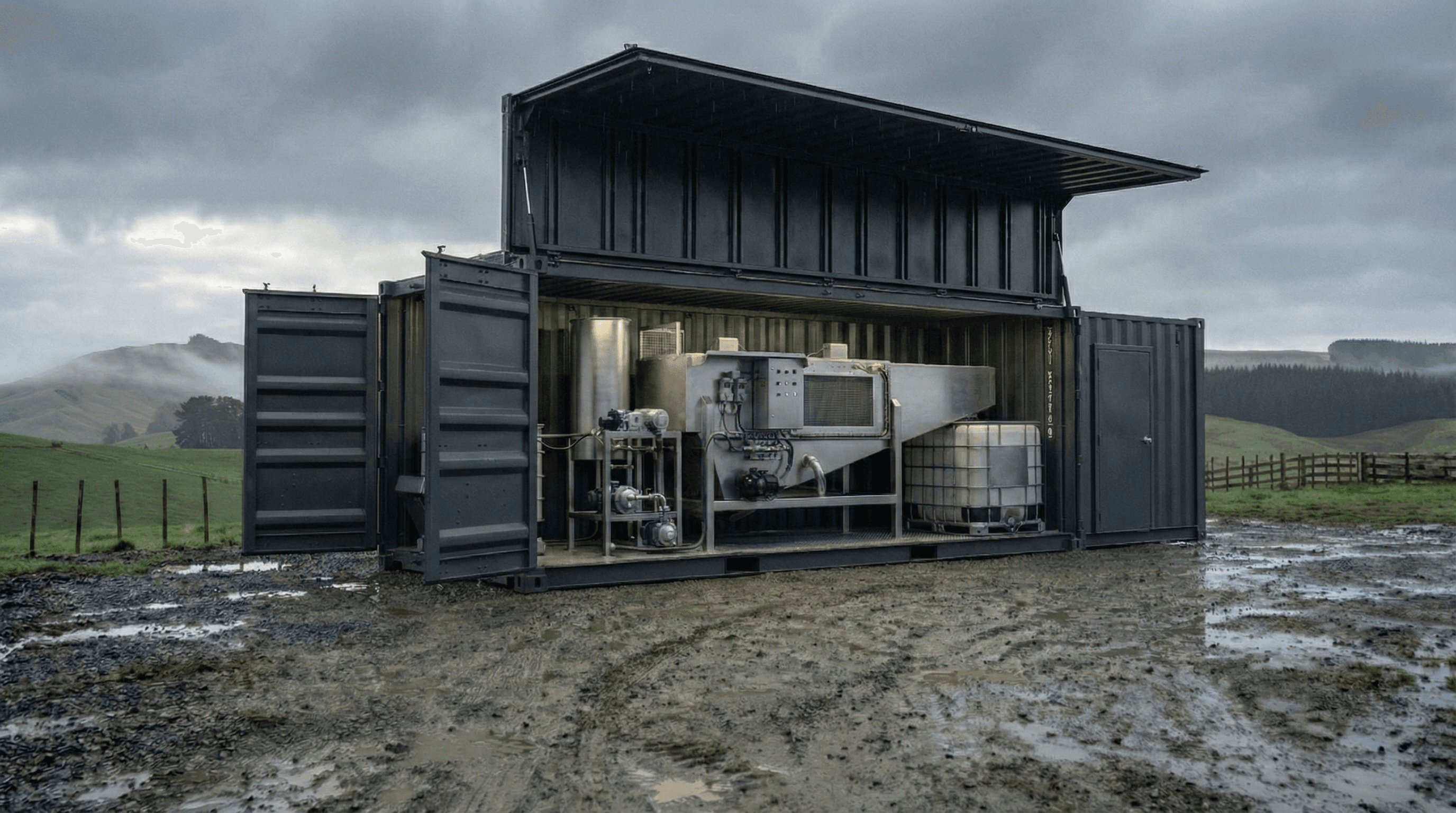
Circularity is not a slogan. It is a design principle. Regen recovers chemistry and metals from treatment residuals, soils and liquids. Aether, our second system, is being built to turn organic residues into renewable fuels. Together they are designed so that every output has a route back to use.
The economics of the transition
New Zealand imports most of its industrial chemistry across some of the longest supply lines on earth. Recovering it at home keeps capital in local economies and takes risk out of the same line item. By designing for recovery, industries can cut disposal cost and landfill liability, build local supply of recovered inputs, and become more resilient to shortages and global disruption. This is not environmental reform. It is industrial strategy.
Next entry
National call for participants
→