



·
Update
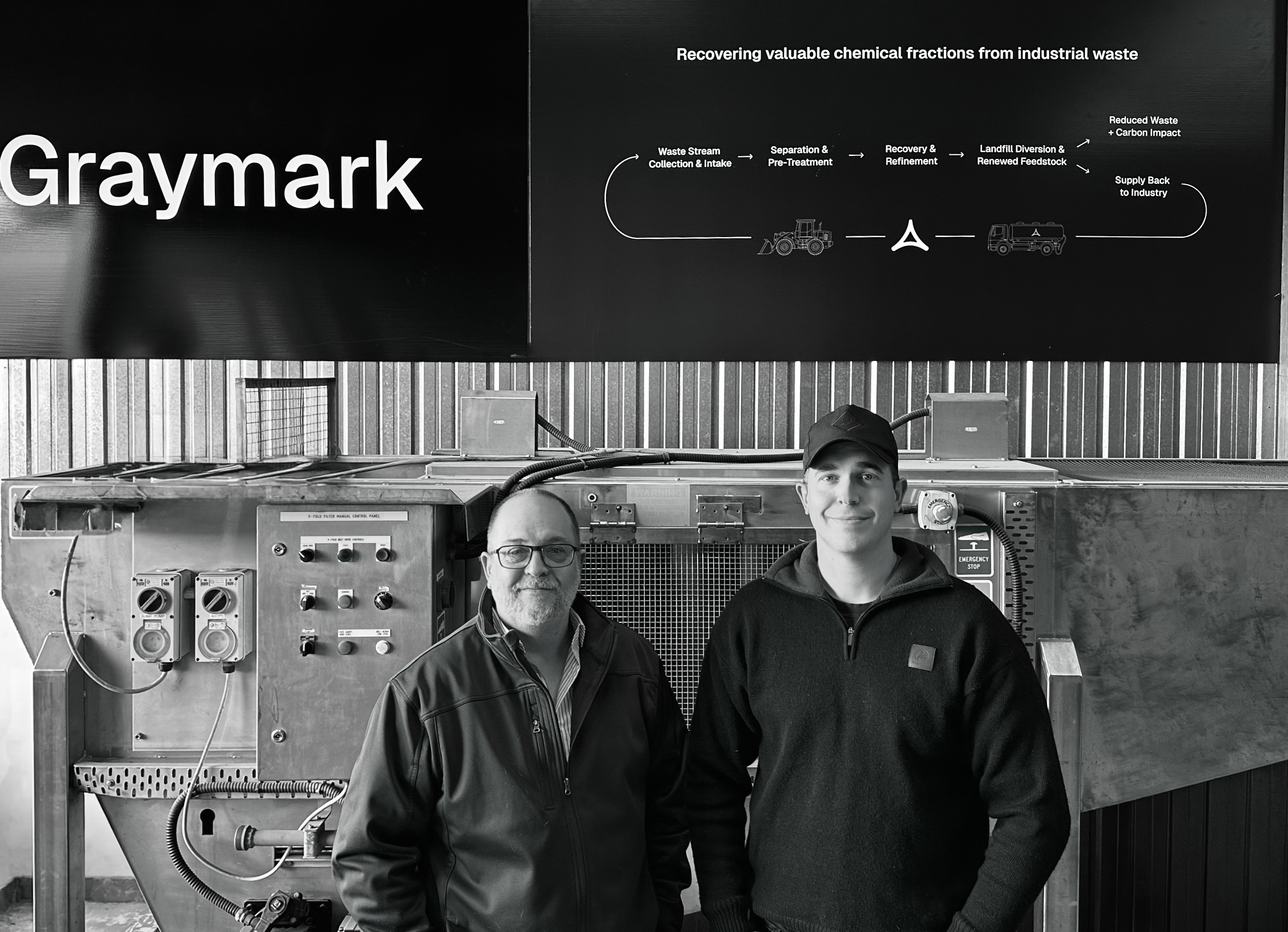
Inside Graymark
How a stream becomes a job at Graymark: understand the waste, prove the chemistry, build the system, close with a report.
At Graymark, every job starts with the same question. What is actually in this stream, and what would it take to get it out?
Understanding the waste
Our work begins at the source, on site with the client or the facility producing the stream. We look at the material, how it is handled today, where it goes, and what it costs to send it there. Whether it is treated timber residue, spent glycol or an organic by-product, the first step is always understanding the waste at a technical level, before anyone talks about tonnes.
Characterise, then commit
Once a stream looks viable, we characterise it properly and run the chemistry on real material. We model what comes out, what goes back to use, and what leaves as concentrate. The result is a characterisation report and a quote, usually within a week of receiving the sample. That document is the foundation for the job.
Built to be repeated
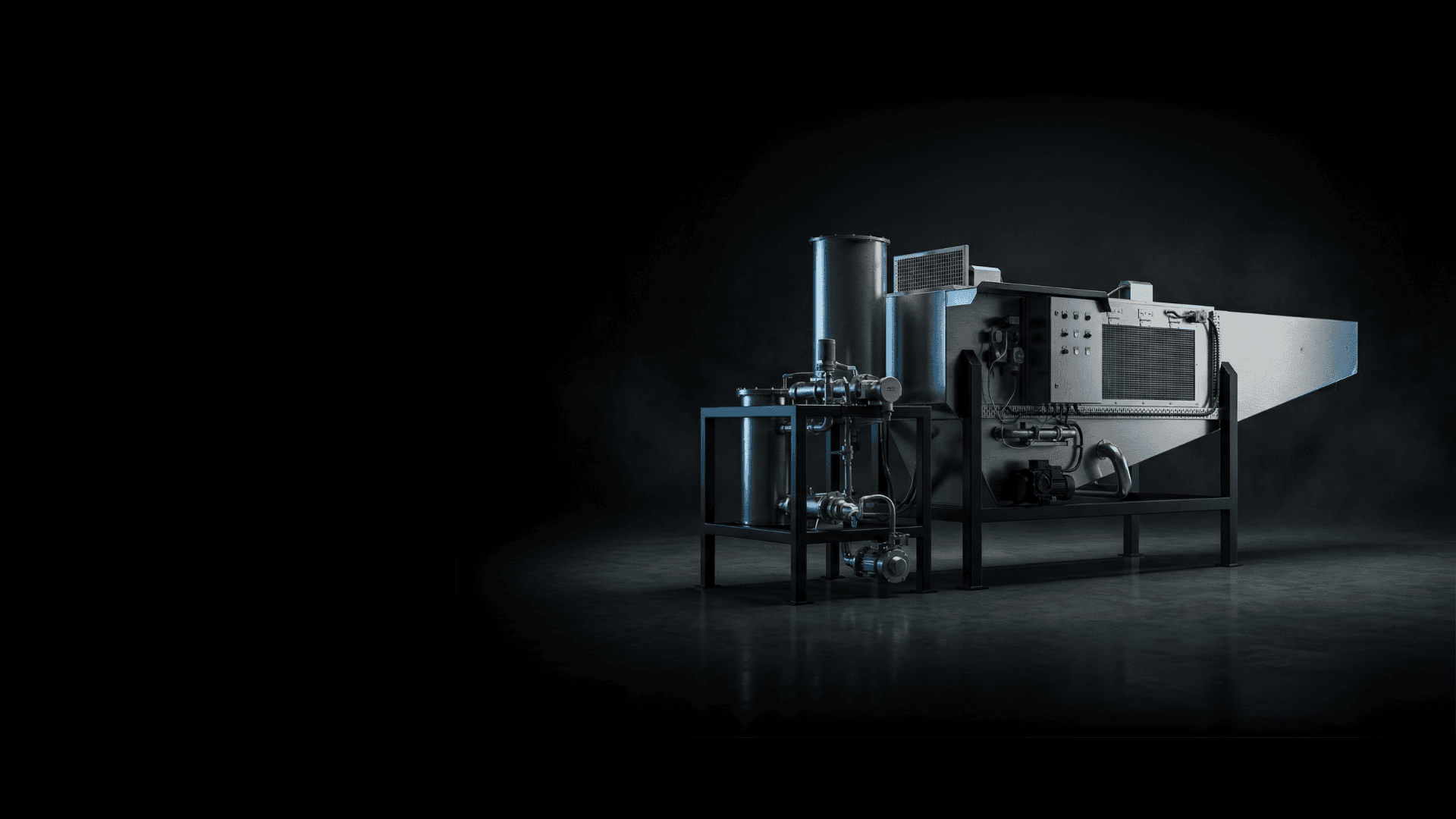
Regen was designed to start on one stream and take the next one without being rebuilt. Each job produces operating data that tightens the next. Measure, improve, run again. It is the same discipline the family has applied to hazardous waste for three generations.
The people behind the work
Our strength comes from experience. Three generations of the Vinsen family have worked in waste and chemical recovery, which gives Graymark a working understanding of what it takes to build systems that last. That history is why we run the core process ourselves, and why every job ends with an independent laboratory report rather than a promise.
Closing the loop
Recovery does not start with policy or ideals. It starts with systems that work. At Graymark we build those systems from the ground up, one stream, one job and one verified result at a time.
Next entry
Treated timber residuals: Regen in operation
→